RETROSPECTIVE: Dead Media: Fleeting Matters
Mrtvi mediji: Bežne sledi
Wednesday, 23. 9. 2026 at 19.00 / Vetrinj mansion, big hall
Sreda, 23. 9. 2026 ob 19.00 / Vetrinjski dvor, velika dvorana
Curated by Olga Bobrowska. Concept by Michał Bobrowski.
Kurirala Olga Bobrowska. Zamislil Michal Bobrowski.
Some films in the programme involve strobe light, rapid image change.
Nekateri filmi vsebujejo bliskajoče luči, hitro premikajoče se slike.
-
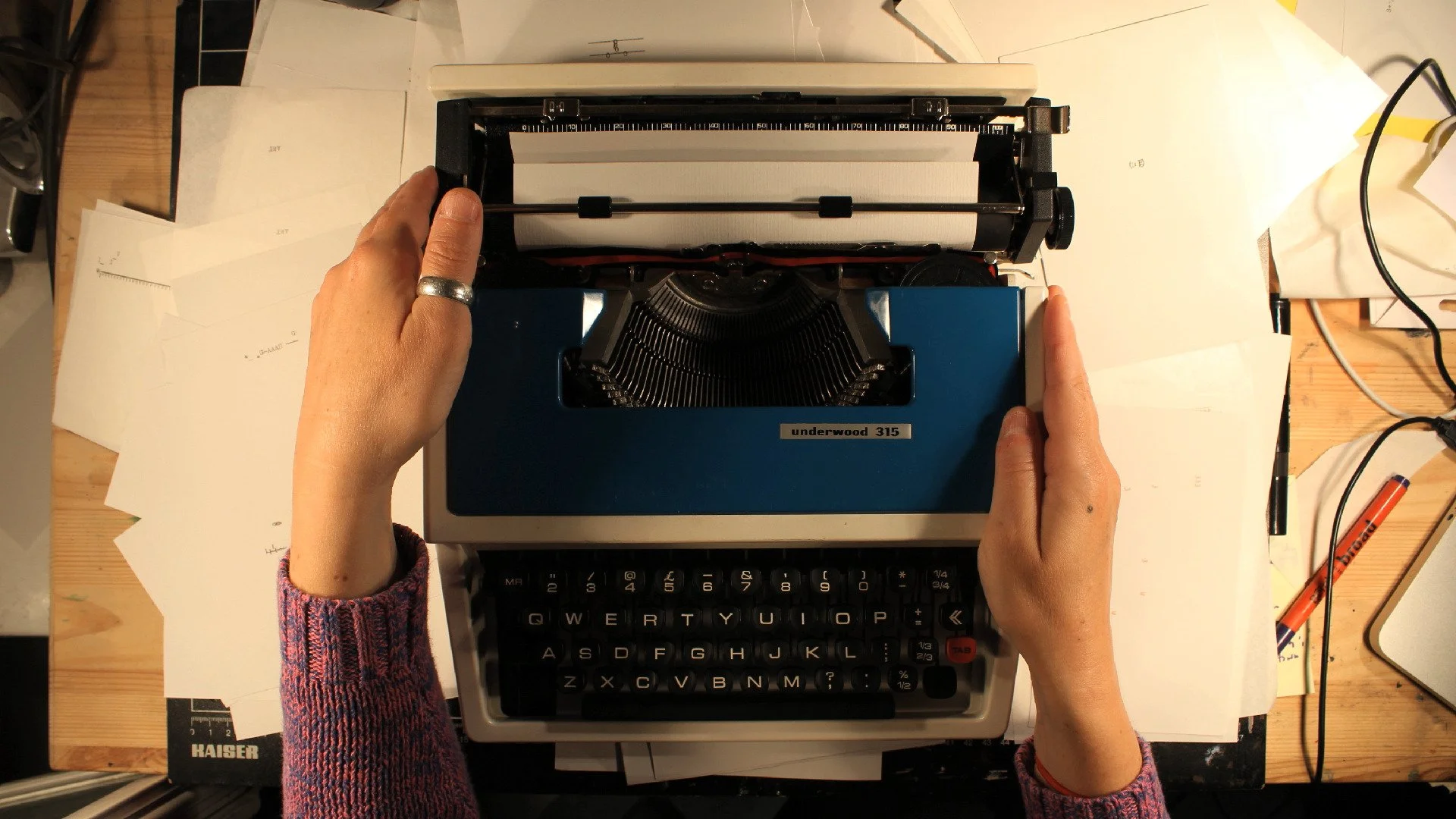
DEAD MEDIA is Bruce Sterling’s 1995 concept that regards the evanescence of art and communication technologies (and art as a form of communication) as an inevitable by-product of ever-accelerating technological advancement processes. Dead media are those “(…) that died on the barbed wire of technological advance, media that didn’t make it, martyred media (…)”. The catalogue, compiled over the years by Sterling and his collaborators, working together in a rather anarchic, freestyle, nevertheless factual and research-based way, divides those “(…) generally forgotten, unwanted, unremembered” media into three categories: visual (many of them are animation’s predecessors and kin: camera obscura, shadow theatre, magic lantern, zoopraxiscope, clockwork wall animation, analog photography, video cassette, etc.), symbolic (data based on writing, abstraction, symbols) and aural. Carefully, respectfully, and with curiosity, they collected descriptions and recollections of devices, channels, and platforms which once shaped the collective imagination. Sterling wished to procure a “(…) book about the failures of media.” But another perspective on this issue is offered by Henry Jenkins (2006), who instead views this concept as the passing of delivery technologies (the tools that enable access to media, such as zoopraxiscope, CDs or VHS tape), while media – be it music, animation and cinema, images, etc. – continue to live their very much abundant lives. It is interesting to think about the death of media because this perspective fuses a thorough, archive-based approach of media archaeology and unrestrained spontaneity of somewhat futuristic innovativeness that strives to construct new tools, produce new images, thus propose new ways of thinking about lived experiences mediated through arts.
Our curatorial point of departure for the programme Dead Media: Fleeting Matters was to seek the films that self-consciously contemplate animation film forms which once belonged to the realm of new media but became (or are in the process of becoming) an obsolete extravaganzas. Such film art requires the viewer’s active participation, willingness and ability to decode, to take time to assess, to reject easy interpretations for the sake of elusive satisfaction which only a fading aura can fulfill. Increasingly, it became clear that a “dead media focus” is a thought experiment which we all badly need at a time when global AI companies are hoarding and destroying forever millions of printed books.
The screening and each film description in the catalogue and online is accompanied by a short note about the technical aspects of the work provided by the filmmakers themselves (except in the case of Norman McLaren, Evelyn Lambart, and Zbigniew Rybczyński, where we had to rely on academic research). It seemed important to consult the original sources what was the central technical (being at the same time expressive) concern for the filmmakers whose imagination can be characterized as analytical and attuned to the surrounding mediascape.
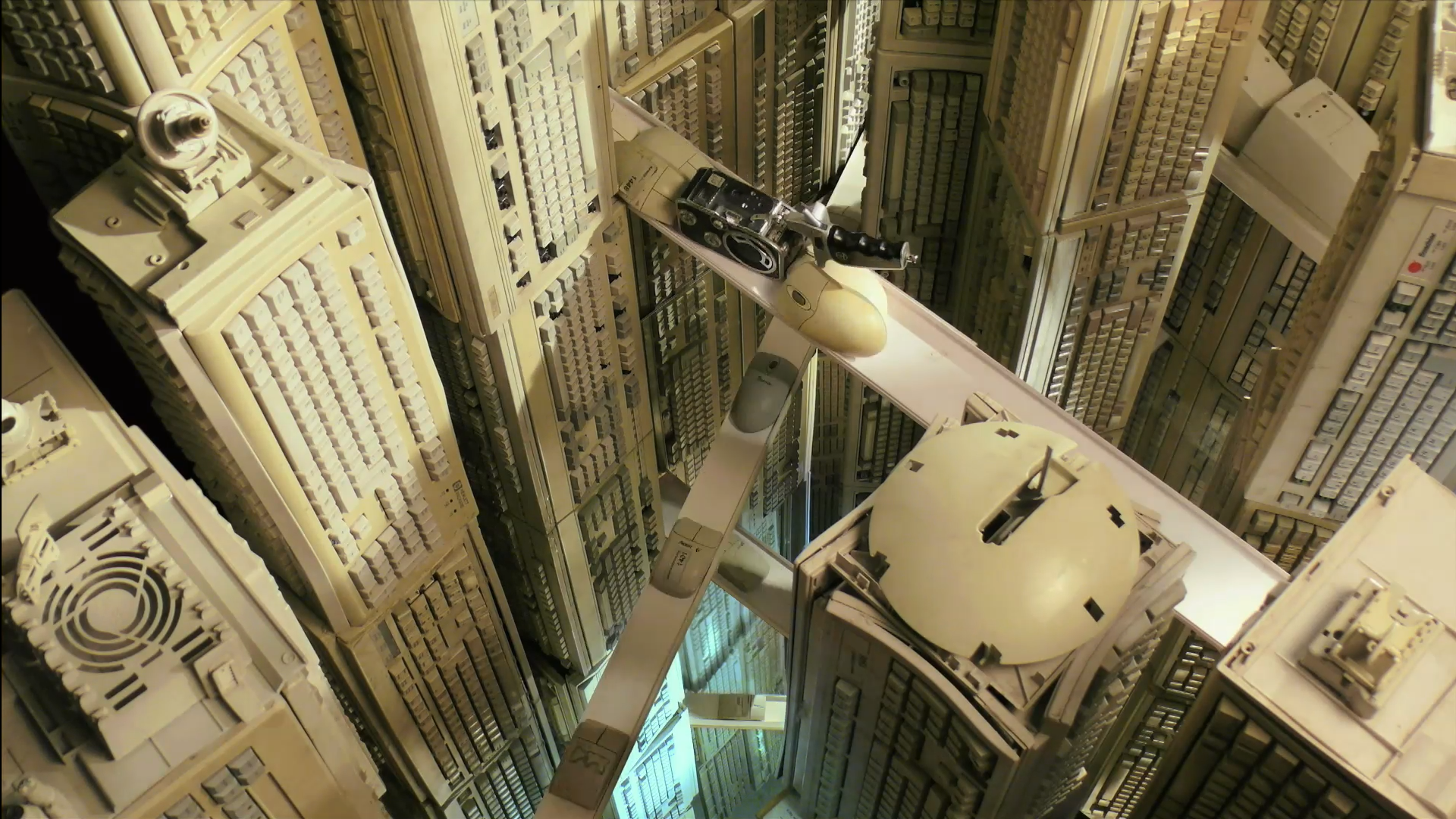
The programme adopts the dramaturgy of a “guided tour”. We begin in the field of animation cinema, ever-ready to expand beyond the boundaries of what it is expected to be and highly curious in its own beginnings. A jump to the broader field, cinema art, was a natural move. Film art is not only something to be experienced aesthetically on the screen. It becomes alive through its cultural architecture, including real-world buildings (and a cinema hall can be a truly surreal place in itself), as well as at the intersection of analog and digital apparatus that simplify or expand our perceptual and cognitive capacities. Contemplation of the evanescence of media such as music and sound, fine arts, photography, their delivery technologies and their contents so deeply related to our socio-cultural, current experiences, will be found along the screening’s progression. The precarity and physicality of media production impact how they function, deliver, retire, die, and are reborn. Eventually our attention turns to computer technologies, capable of offering us virtually anything we can dream of (and more). But there’s a price to be paid and it involves alienation, detachment, and exposure to random darkness.
This film programme will be reprised at the Slovenian Cinematheque in Winter 2027.
Olga Bobrowska
-
Olga Bobrowska, PhD, is an animated film scholar, Assistant Professor at the Institute of Journalism and International Relations (IDSM) of the UKEN University in Kraków (Uniwersytet Komisji Edukacji Narodowej) (Poland), co-founder and festival director of StopTrik International Film Festival (Maribor, Slovenia), film culture activist and curator. She authored two monographs published by the CRC Press (Chinese Animated Film and Ideology, 1940s-1970s. Fighting Puppets, 2023; Chinese Animated Film and Ideology. Tradition, Innovation, and Interculturality, 2024). She co-edited books Obsession, Perversion, Rebellion. Twisted Dreams of Central European Animation (2016), and Propaganda, Ideology, Animation. Twisted Dreams of History (2019). She is a permanent contributor to Zippy Frames.
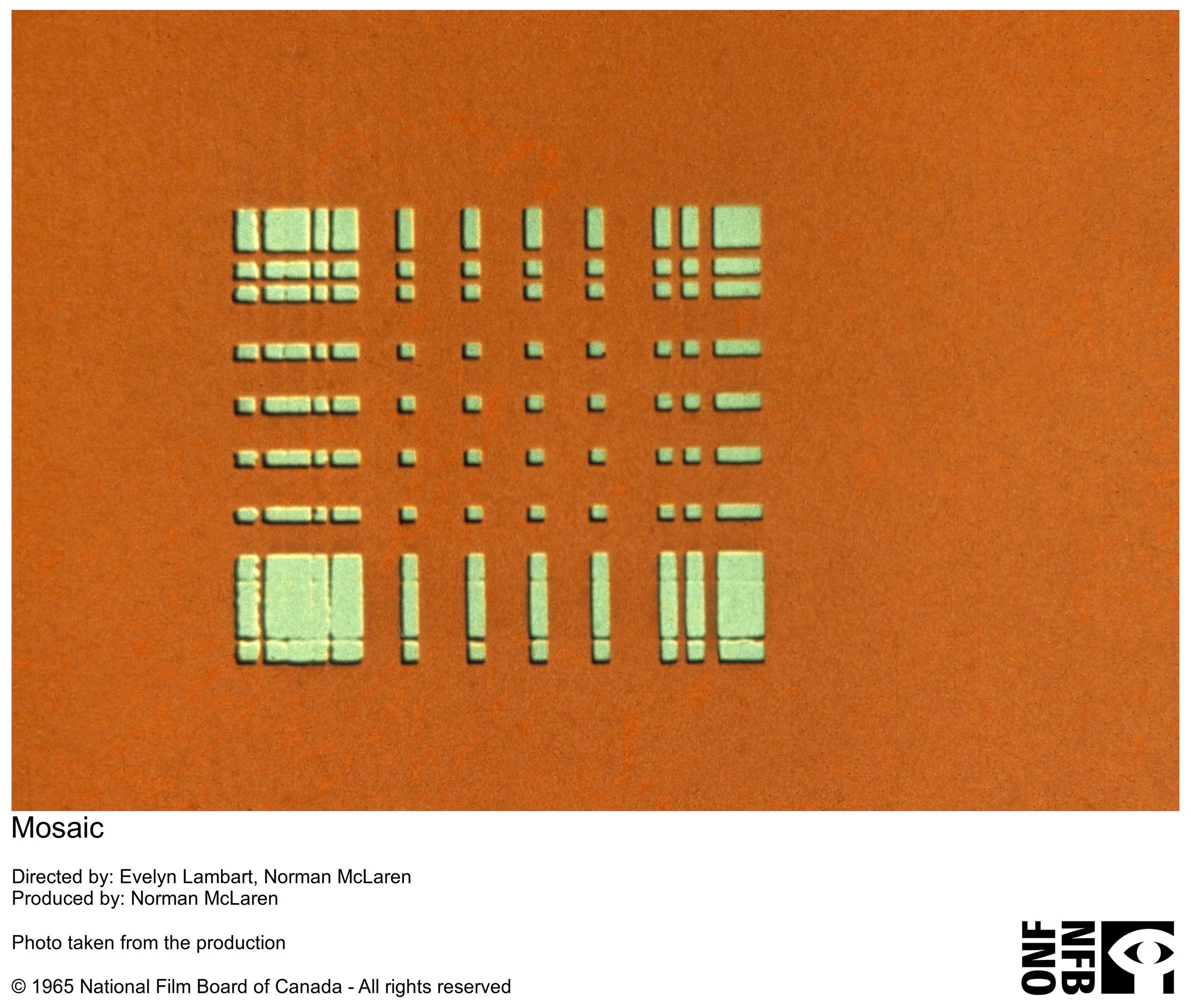
1.
Mosaic / Mosaïque / Mozaik
Norman McLaren, Evelyn Lambart (National Film Board of Canada)
1965, Canada 5’41”
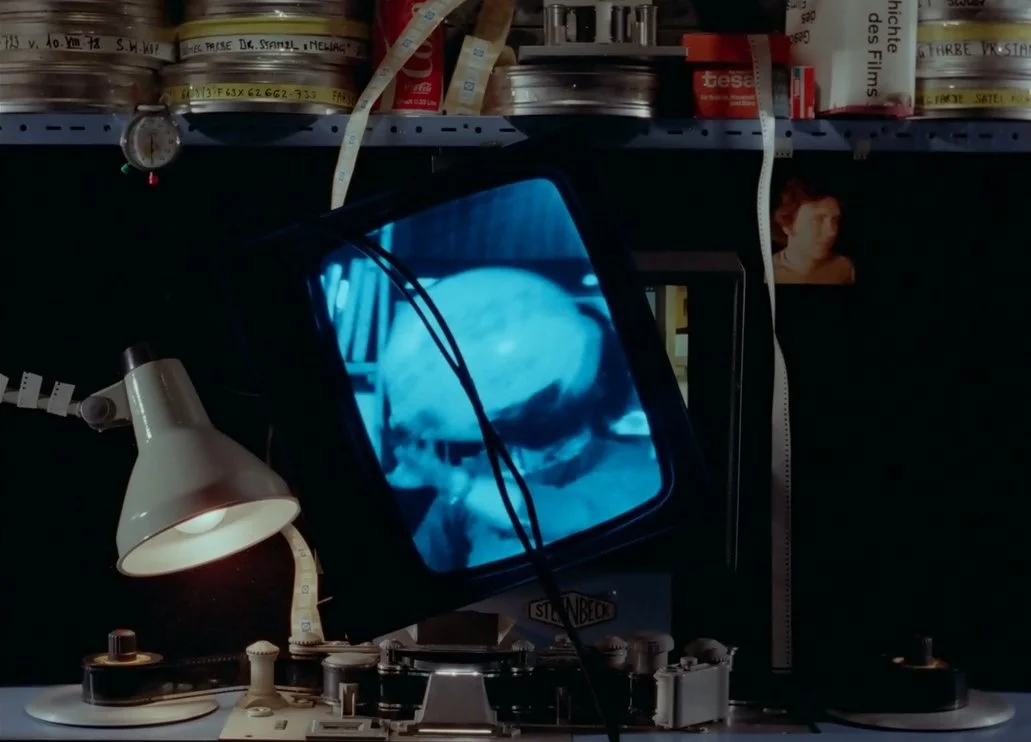
2.
Media / Mediji
Zbigniew Rybczyński (Studio Małych Form Filmowych "Se-Ma-For")
1980, Poland, 1’35”
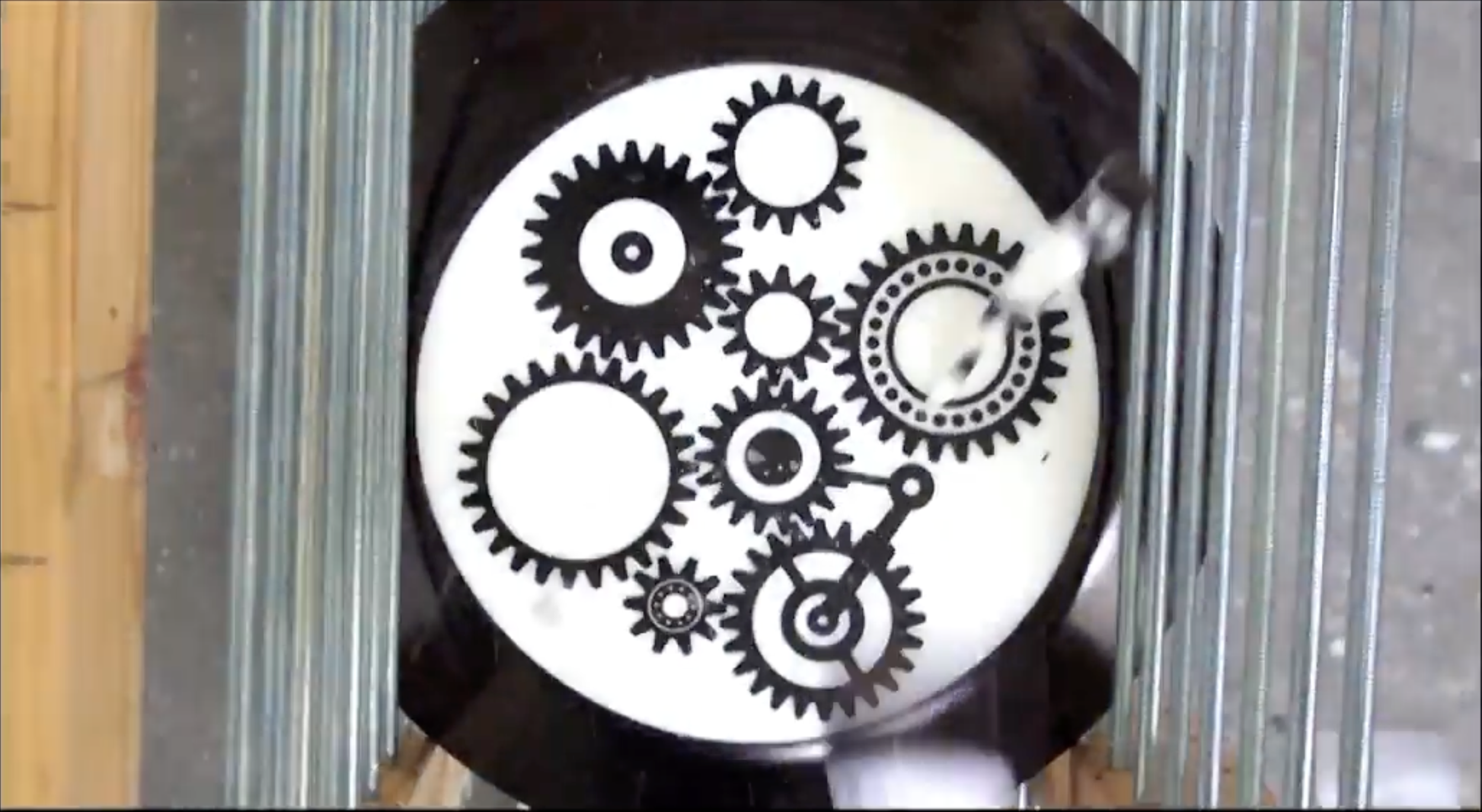

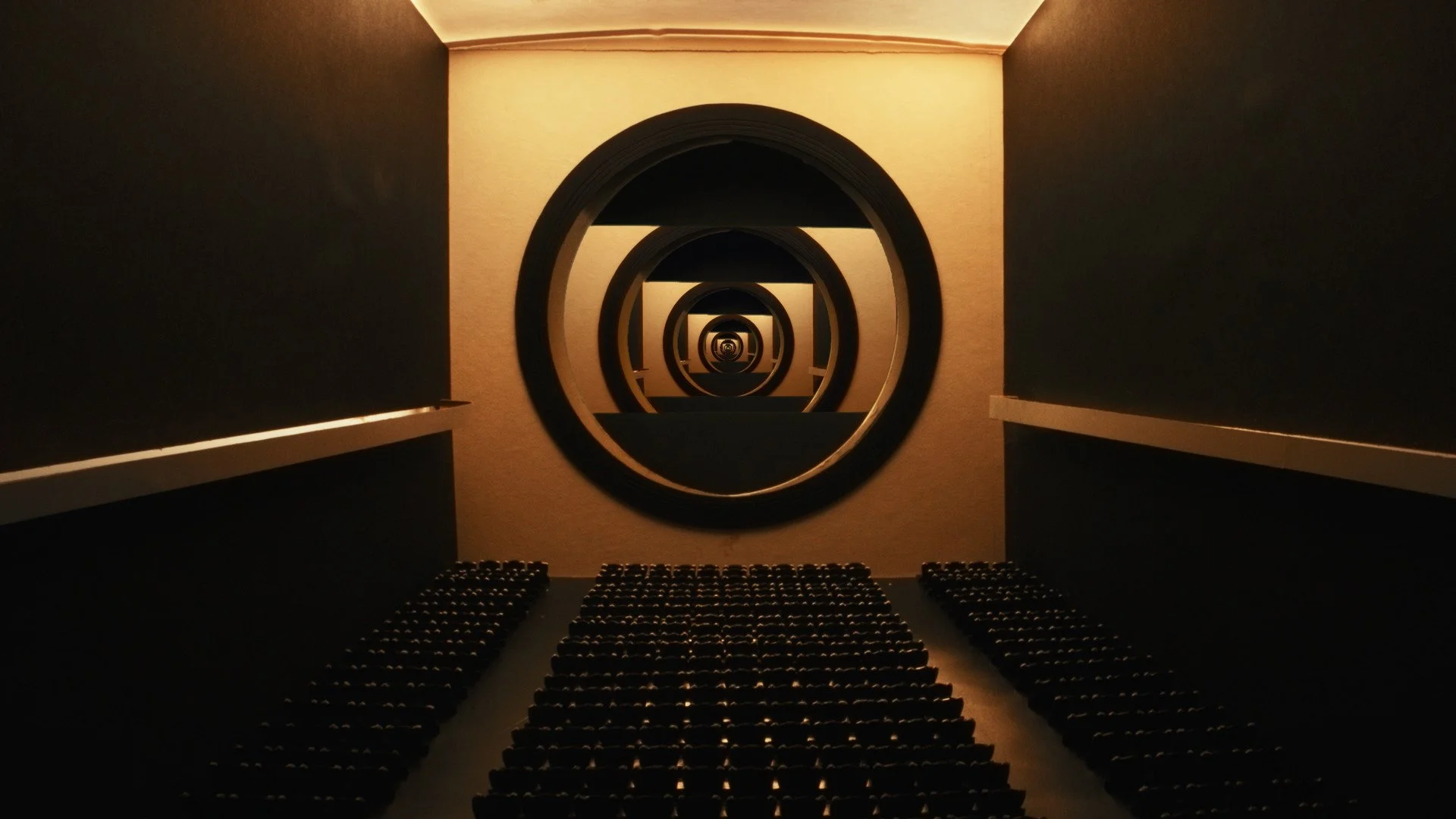
7.
Music of Sonny / Sonnyjeva glasba
Klementyna Margolis, Anna Sałacińska (Studio Munka Stowarzyszenie Filmowców Polskich, Spinka Film Studio)
2022, Poland, 7’51”