Media / Mediji
Zbigniew Rybczyński (Studio Małych Form Filmowych "Se-Ma-For")
1980, Poland, 1’35”
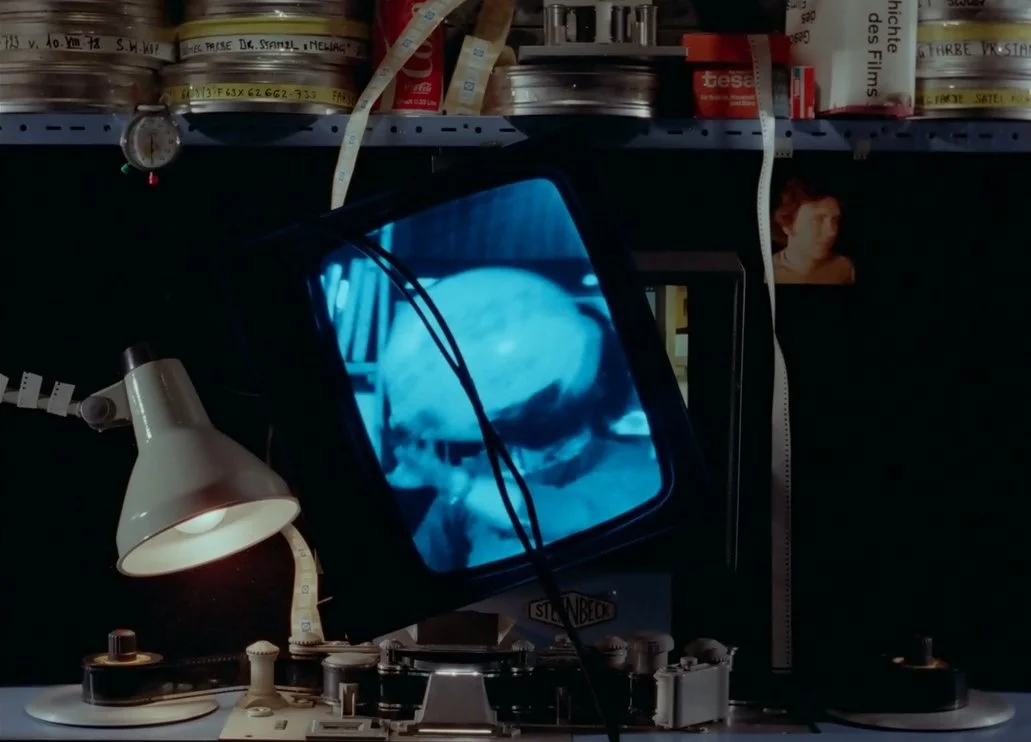
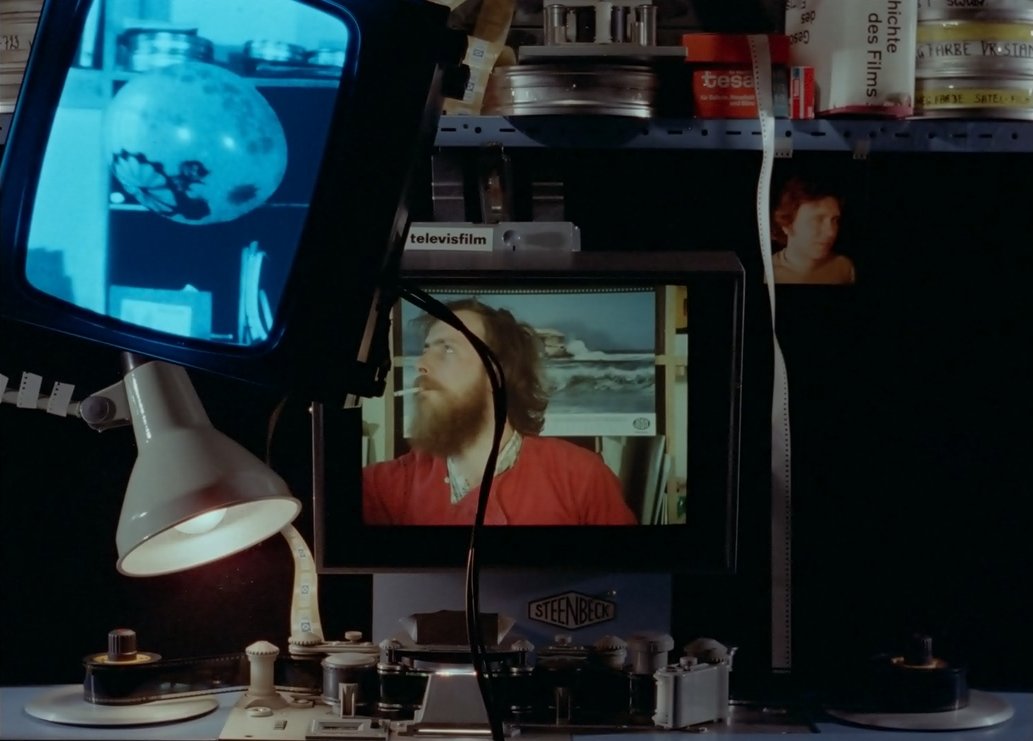
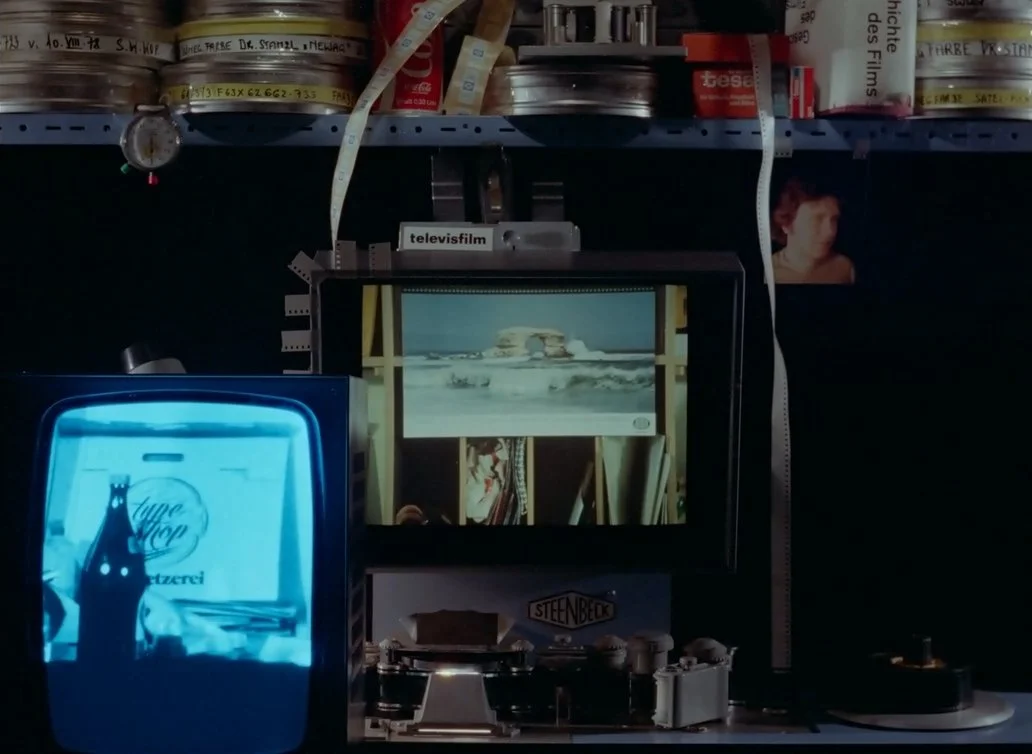
Fusion of the three realities: of the TV screen, of the montage table screen and of a room.
Zlitje treh resničnosti: tiste s televizijskega zaslona, tiste z zaslona montažne mize in tiste znotraj same sobe.
-
It is an intermedia experiment combining celluloid film with video technology, using a television screen to manipulate and transform the filmed image.
-
Gre za intermedijski eksperiment, ki združuje celuloidni filmski trak z videotehnologijo ter uporablja televizijski zaslon za manipulacijo in preobrazbo posnete podobe.
Language: None
Technique: Live-action, video technology
Recommended for children under 14 years of age: Yes
Team
Made by Zbigniew Rybczyński
Music: Janusz Hajdun
Collaboration: Manfred Haspel
Sound: Mieczysław Janik, Zygmunt Nowak, Wiesław Nowak
Production: Ignacy Goncerz
Zbigniew Rybczyński
(born 1949). A graduate of the Film School in Łódź in the early 1970s, he joined the famous experimental filmmakers’ group, the Workshop of the Film Form. A visionary and innovator radically interested in film form, Rybczyński explored the possibilities and limitations of the celluloid medium in films such as “Plamuz” (1973), “Soup” (1974), “New Book” (1975), or “Holiday” (1976). In 1980, he created the groundbreaking animation “Tango”, for which he received an Oscar, and subsequently left socialist Poland. In the 1980s, he experimented with HDTV technology and became the creator of numerous music videos that helped shape the development of MTV. As Marcin Giżycki wrote: “Rybczyński belongs to the line of Méliès’s descendants, the cinematic craftsmen combining extraordinary plastic imagination with an aptitude for inventing and constructing, and endowed with Benedictine patience.”
Find more: www.culture.pl/en/artist/zbigniew-rybczynski