
Round table: Mainstream media in the era of genocides
Thursday, 24. 9. 2026 at 17.00 / Vetrinj mansion, big hall
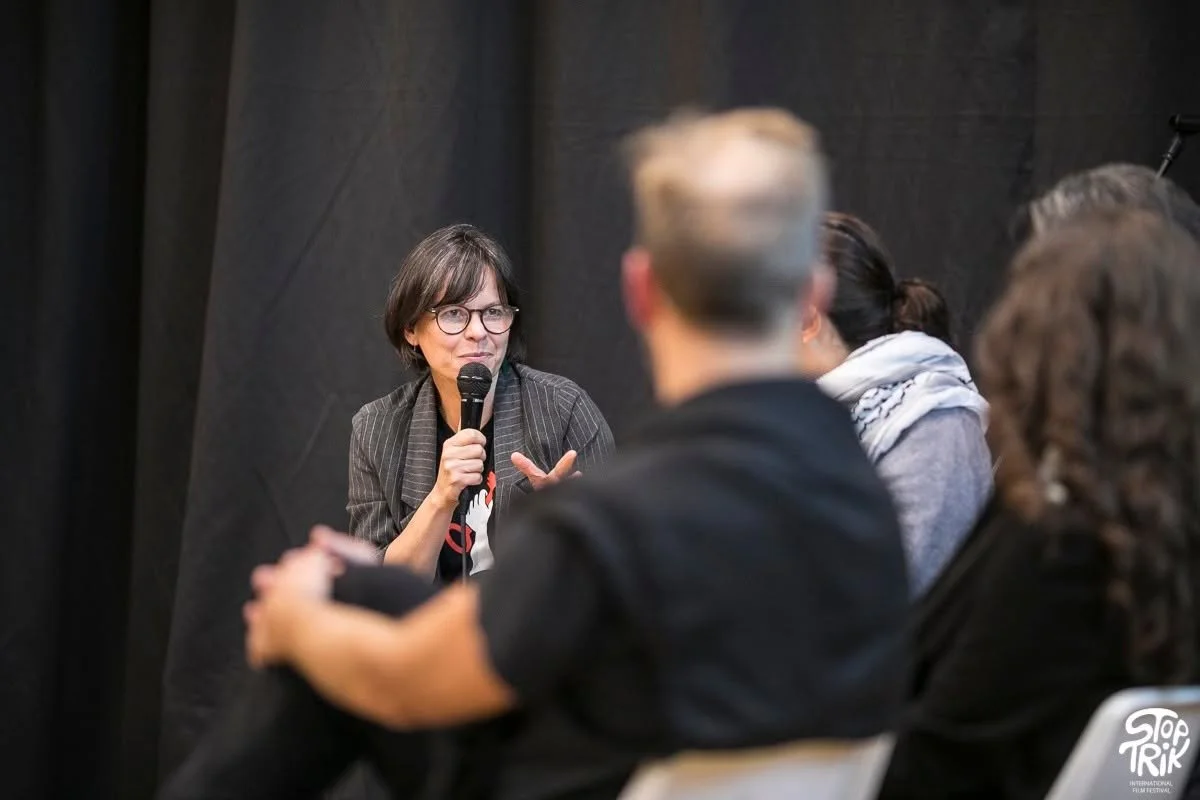
Reflections on a democratic society emphasize that democracy can only function if citizens are informed about relevant political issues and their potential consequences. Free media are supposed to ensure we come as close to this ideal state as possible. The media are expected to act as a safeguard against the abuse of power, exposing wrongdoings, drawing attention to problems, and empowering citizens to use their democratic will to influence the direction of their community. However, the dominant ideological belief that the media act as an independent institution holding centers of power in check was dismantled in 1988 by Edward S. Herman and Noam Chomsky. Through a structural analysis published in their book Manufacturing Consent: The Political Economy of the Mass Media, they challenged this notion. In recent years, the public has witnessed increasing decontextualization, Eurocentrism, and even Orientalism in media coverage of events in the so-called Global South. In fact, following the reporting on these topics forces us into a constant, simultaneous analysis of the media’s work itself; without it, we are doomed to indignation and a failure to understand the glaring discrepancy between journalistic reports and the realities we see beyond the prism of mainstream media - realities we can observe unfolding live on social media or through the testimonies of eyewitnesses. We will discuss the role of the media today with lawyer and journalist Kristina Božič, journalist Boris Vasev and historian and writer Assal Rad.
The discussion is moderated by Urška Breznik.
Kristina Božič
holds a degree in law and works as a translator and a journalist, writing for platforms that include the independent online portal Mešanec.
Boris Vasev
is a journalist with Slovenian National Public Broadcasting Organization.
Assal Rad
is an Iranian historian, writer and activist. She is the author of The State of Resistance: Politics, Culture, and Identity in Modern Iran (Cambridge University Press, 2022) and Don’t say Palestine: How the Media Manufactured Consent for Genocide (Atlantic Books, 2026).
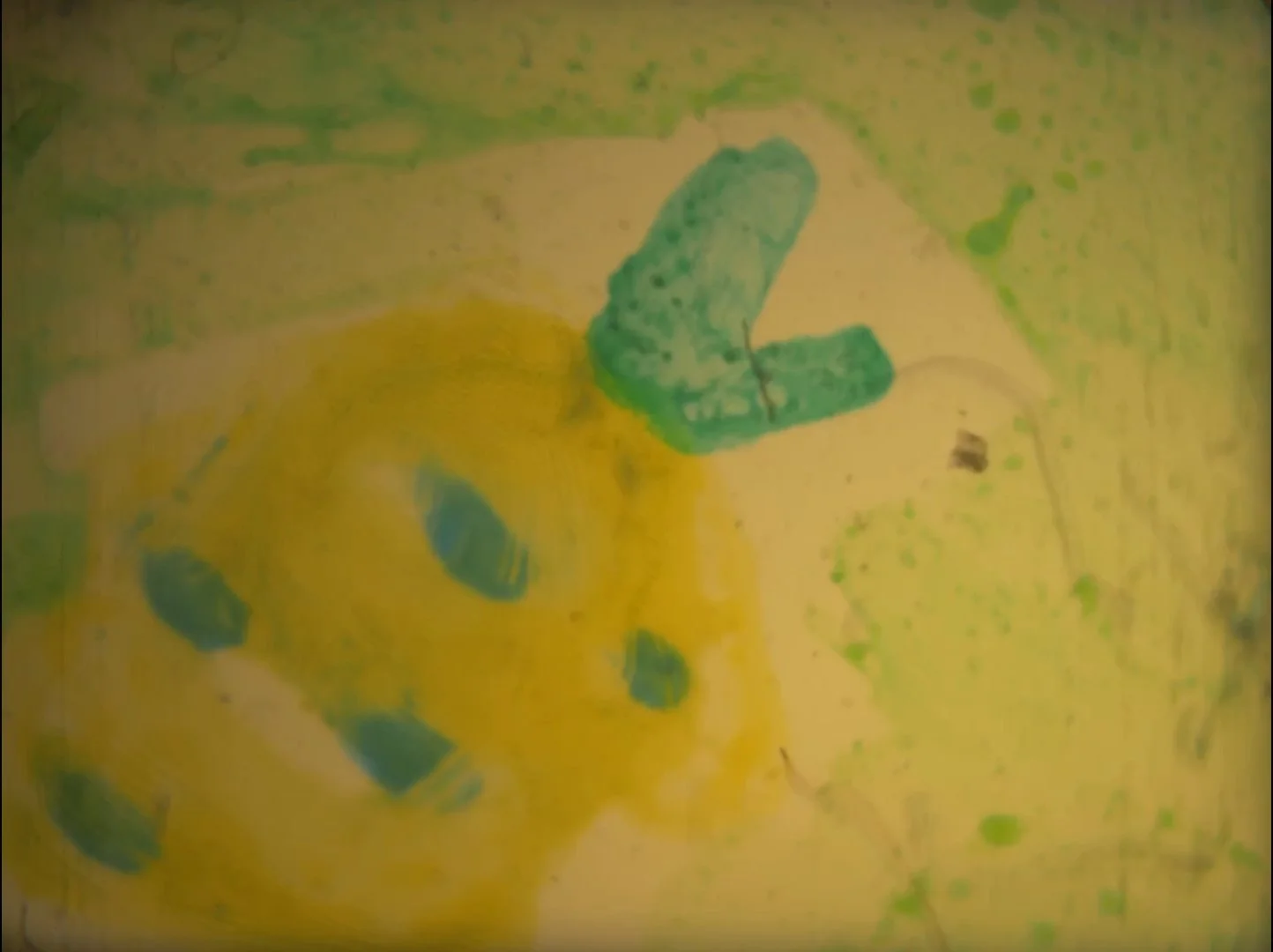
After the round table discussion the screening of the animation The Pineapple Tree / El árbol de la piña by Agustina Arrillaga Vodanovich (Luksuz Produkcija) will follow.
01
The Pineapple Tree / El árbol de la piña
Agustina Arrillaga Vodanovich (Luksuz Produkcija)
2024, Slovenija / Slovenia, 1’
Inspired by Rolando Kattan’s The Pineapple Tree, this hand-painted Super 8 film reflects on exile from Palestine and the persistence of hope. Between memory and imagination, even a lost homeland might take root again.