RETROSPECTIVE: Dead Media: In and Out Minsinformation Society
Mrtvi mediji: V in izven družbe dezinformacij
Sunday, 23. 7. 2026 at 16.00 / Vetrinj mansion, big hall
Nedelja, 27. 9. 2026 ob 16.00 / Vetrinjski dvor, velika dvorana
Curated by Olga Bobrowska. Concept by Michał Bobrowski.
Kurirala Olga Bobrowska. Zamislil Michal Bobrowski.
Some films in the programme include sensitive themes such as discrimination / political repressions / violence / war, war crimes, genocide
Nekateri filmi vsebujejo občutljive teme kot so diskriminacija / politično zatiranje / nasilje / vojna, vojni zločini, genocid
-
„People make media in the way they make war – with anything at hand,” noted Bruce Sterling in 2004 when revisiting the 1995 “Dead Media Project Manifesto.” Communication and conflict are the most central patterns of all human interactions. Led by external, inexplicable beliefs or nuanced and calculated rationalizations (or a blend of the two), we submit to the same persistent impulses as the apes who saw the black Monolith in Stanley Kubrick’s 2001: A Space Odyssey (1968). The history of animation provides numerous cases of how this specific film art modality served both functions: as a tool of political propaganda, social anesthetic, or conversely, a carrier of cultural subversion and dissidence. Animation can be so powerful in fulfilling such needs because, being an art of an ultimate illusion, it distorts and reinterprets information in highly subjective and specific ways. This was already well recognized by Winsor McCay, when he created, in 1918, The Sinking of Lusitania, a pioneering work of animated documentary and propaganda simultaneously.
This play can sometimes be taken to another level by the filmmakers who are deeply concerned with how information (reported and verified facts and the narratives built around them) governs the collective imagination, how our (il)literacy in understanding and interpreting information can change the game completely and impact thinking about the past, the present, and the future. In a sense, such artists exercise something that can be called an “ethical animation”, a caring expression that seeks awareness of the surrounding darkness in order to foster a new kind of imagination which would offer a fresh start to better the communities, instead of restoring old mythologies. One that is informed, critical, empathetic, and, above all, sincere.
In this programme we sought to present the works that manifest precisely such qualities within animation filmmaking, realizing from the start that the message that lives in the frames might be recognized with difficulty, or even not at all, because of the very issue that all those films observe closely – the progression of misinformation as a “default” mode of communication. “Disinformation” (intentionally disseminated false information) takes immediate advantage of individuals and groups, who, willingly or not, refuse to engage critically with the surrounding reality, who desire convenient shortcuts in understanding responsibilities and consequences that lie ahead of each decision they take. “Misinformation” does not need to involve the same level of urgency and aggravation. Sharing mis-truths is unintentional, the agency behind it is blurred, “it just happens” as if there were nobody to hold accountable. Social cohesion within a “misinformation society” degrades slowly but steadily up until the point we reach a state of omnipresent misunderstanding, blameless confusion, apathy, and incompetence. Take a look out your window. Is this a familiar view?
We took Sterling’s “dead media” metaphor to thinking about contemporary information media landscape, colonized by polarizing, algorithmic social networks and exploited by the self-proclaimed sages of whatever, without any consideration for fact-checking and referencing sources, nor any basic humanistic decency in agenda-setting. This second retrospective screening, Dead Media: In and Out Misinformation Society, treats animation as discursive/audiovisual reservoir of “case studies” exploring the phenomena deeply embedded in currently-forming misinformation society, i.e. postjournalism (as pointed out by Andrey Mir, this practice appropriates classic journalism’s deviations but rejects its standards, it is openly ideological and latently driven by capital accumulation imperative). On the other hand, this programme aims to provide compelling arguments in a discussion about reaching a new level of mediatization of social and political violence where reporting from the sites of genocide have to conform to the TikTok format and compete for algorithms’ attention with brain-rotting AI slop or TV show clips or reaction clips meant to uniformize our individual experiences and anxieties into a big mush of meaningless symbols and bogus truths.
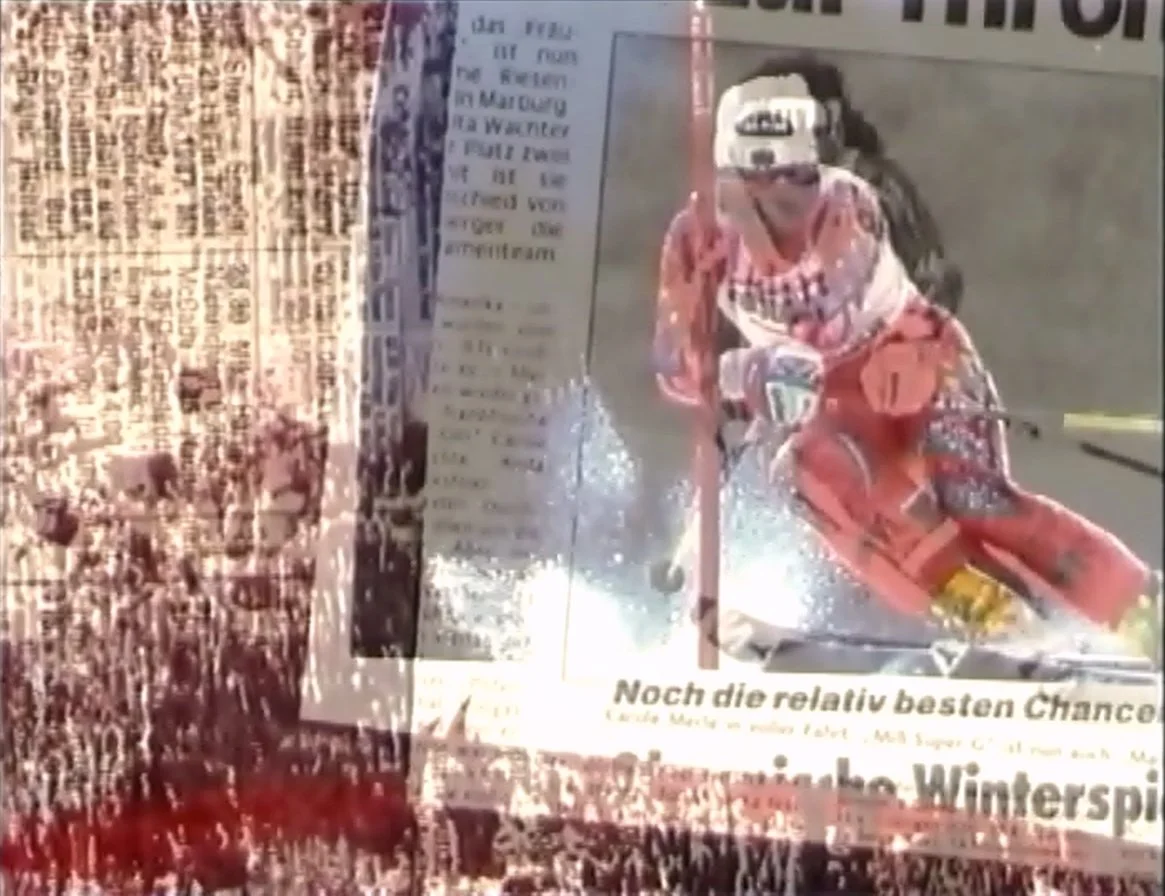
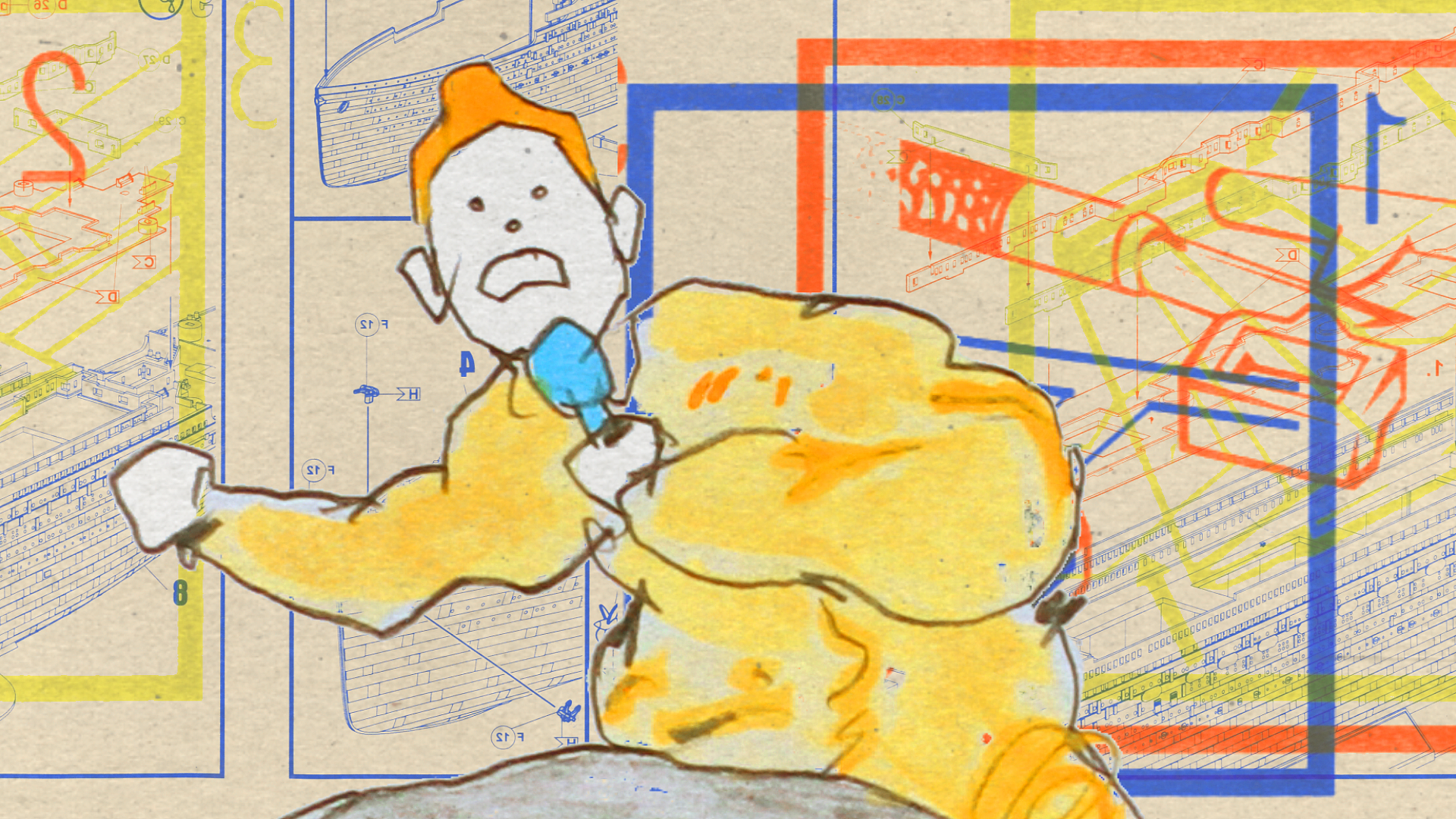
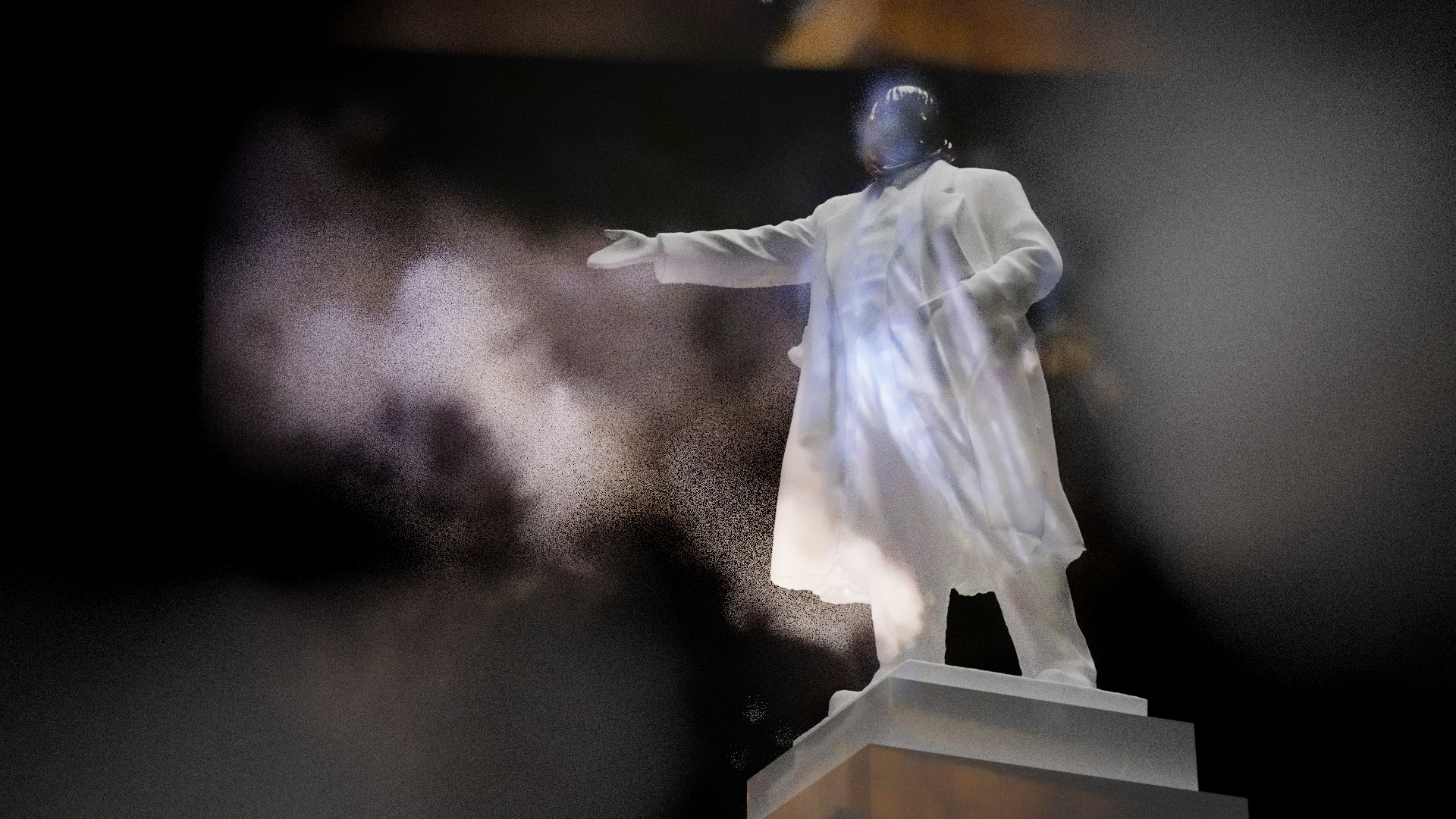
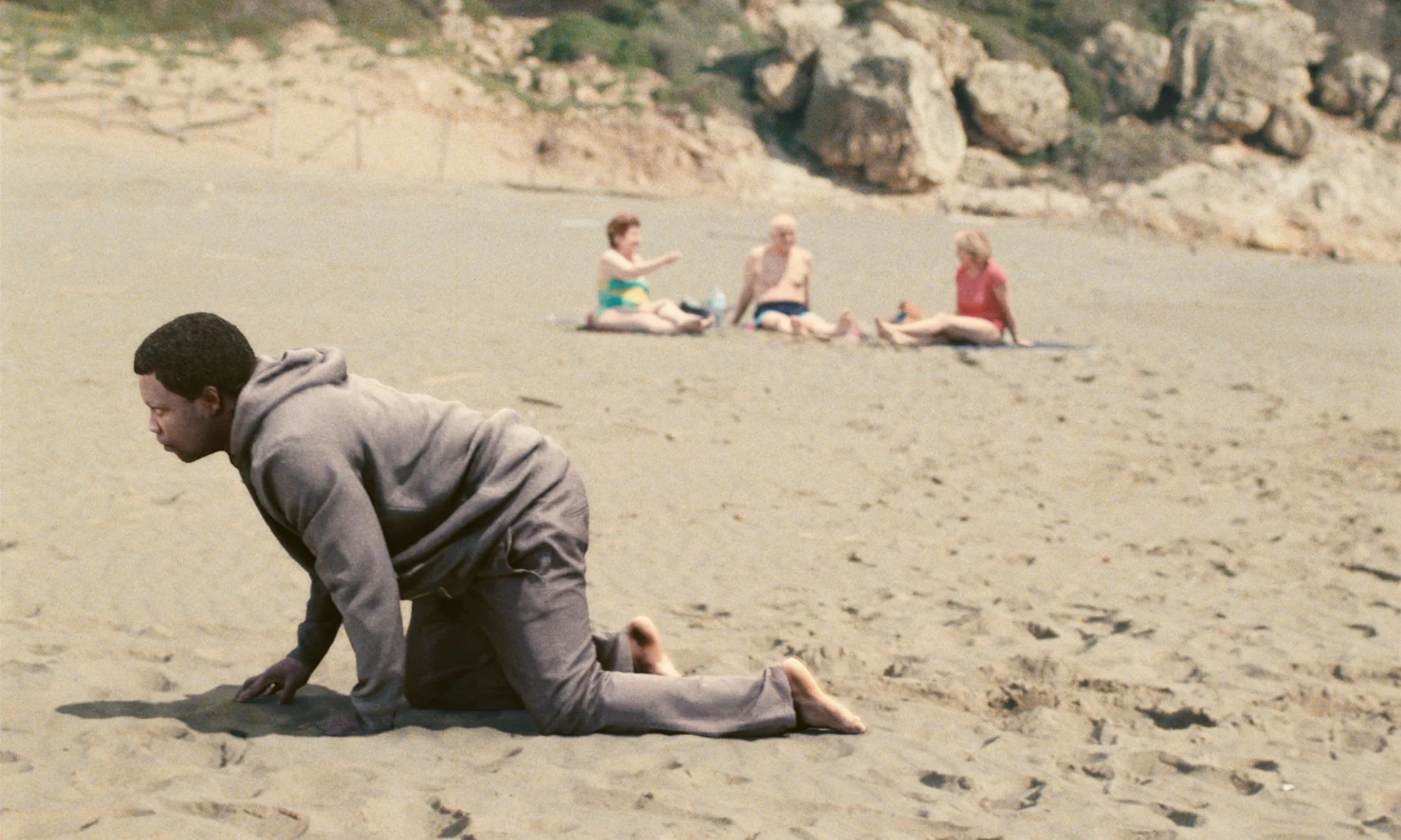
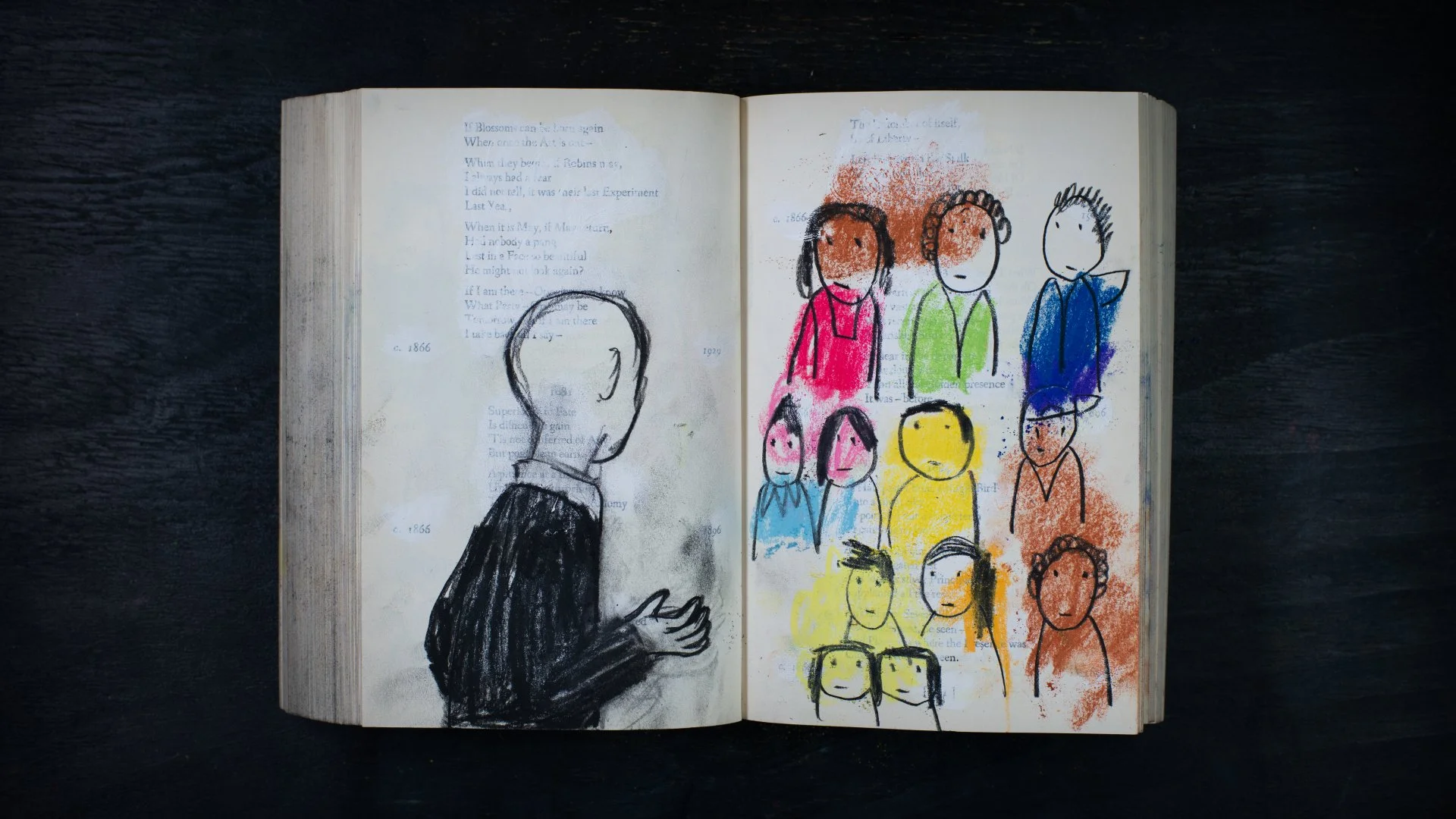
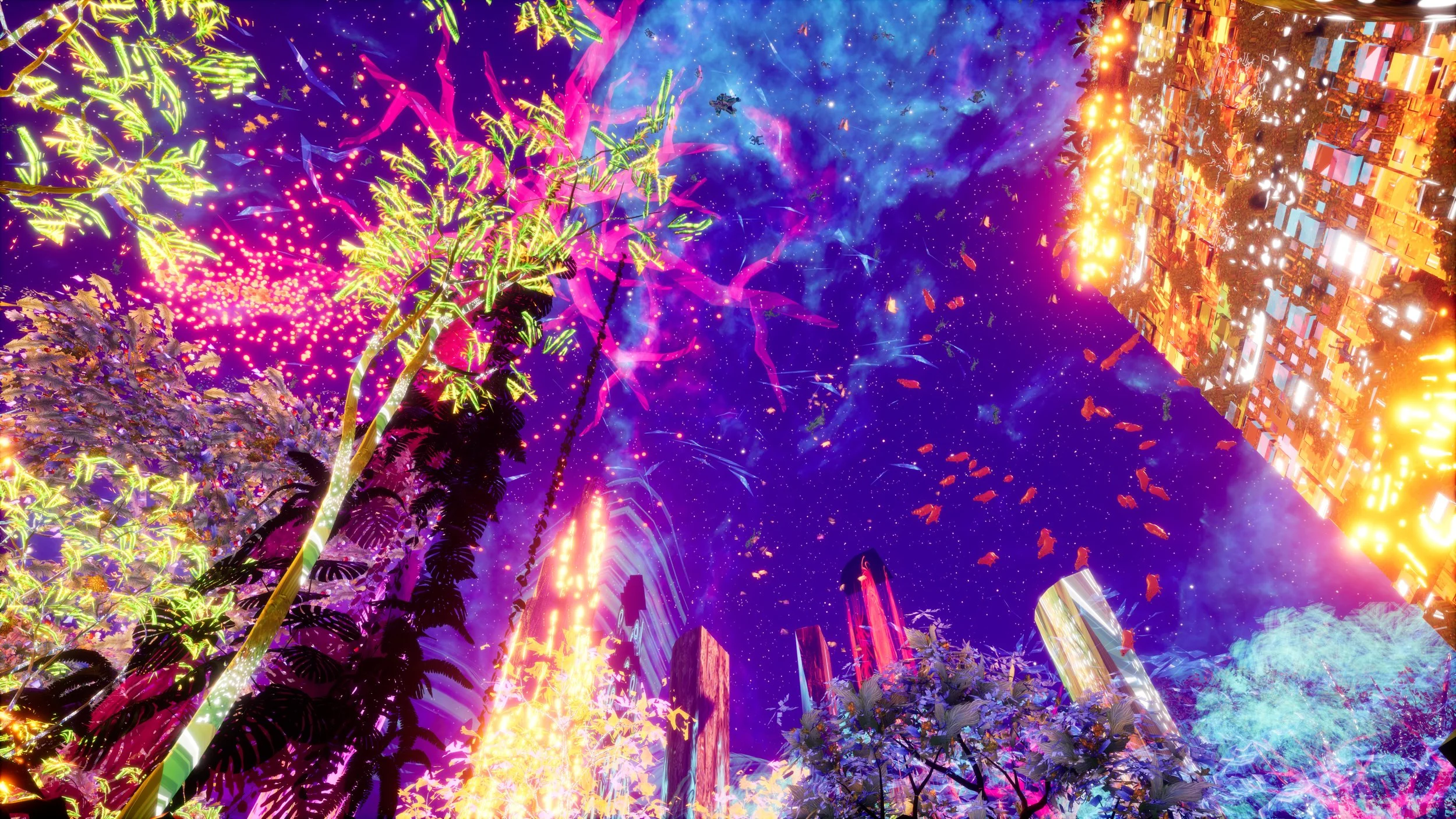
Starting with pessimistically playful, Daniel Šuljić’s early work, Evening Star (1993), we trace how information media (print, TV, online) keep dividing and conquering our attention away from the facts. As brilliantly deconstructed in Donato Sansone’s Journal animé (2016), media attractiveness, achieved through visuals and the condensed pace of information inflow, aims to give us the impression of being in control of knowledge. The superficiality of such attempts does not hold in the face of the anarchistic irony prevalent in Sinking of the Truth (2018) made collectively by the students of The Animation Workshop. It does not hold when confronted with the critical insights of the leading discourses of the surveillance capitalism era – respectively, the one that politicizes the public language (Veronika Schubert’s First and Foremost, 2016) and the one that fiscalizes it (Corrie Francis Park’s Foreign Exchange, 2019). Sasha Svirsky in Dull Spots of Greenish Colours (2024) understands this too, and he demonstrates the processes of smooth transition from authoritarianism within the state and within oneself to totalitarianism, a transition fueled, among other things, by long-term submission to mis- and disinformation. The advancement of information media technologies has a paradoxical impact on how we experience encounters with reality – the closer we look at it, the more distant and detached we become. This applies to the public sphere which should require responding to tragic facts unfolding in front of our eyes (Ronny Trocker’s Summer, 2016) as much as our attempts at consolidating personal truths and recognition of personal identities (Chen Zirui’s Format Error Occurred at the Offset, 2024). How can we opt out? In The Opposites Game (2019), Lisa LaBracio and Anna Samo, using the poetics of a children’s story, underline the most accessible and at the same time the most difficult thing we have at hand to make media meaningful while the conflicts contained – a dialogue. A daring idea: why not engage in an interaction where the opinions are not concealed, but they are not non-negotiable? Perhaps the most captivating answer to this question is to be found in the last film of the programme: We Will Definitely Talk About This After the Last Air Raid Stops by Kyiv-based artist Yuri Yefanov. Contrary to what the title suggests, and despite living daily under shelling and airstrikes, Yefanov is already having this conversation. He suggests a pathway to a functioning utopia that starts not after peace arrives but now.
Olga Bobrowska
-
Olga Bobrowska, PhD, is an animated film scholar, Assistant Professor at the Institute of Journalism and International Relations (IDSM) of the UKEN University in Kraków (Uniwersytet Komisji Edukacji Narodowej) (Poland), co-founder and festival director of StopTrik International Film Festival (Maribor, Slovenia), film culture activist and curator. She authored two monographs published by the CRC Press (Chinese Animated Film and Ideology, 1940s-1970s. Fighting Puppets, 2023; Chinese Animated Film and Ideology. Tradition, Innovation, and Interculturality, 2024). She co-edited books Obsession, Perversion, Rebellion. Twisted Dreams of Central European Animation (2016), and Propaganda, Ideology, Animation. Twisted Dreams of History (2019). She is a permanent contributor to Zippy Frames.
1.
Evening Star / Večernja zvijezda / Večerna zvezda
Daniel Šuljić (Hochschule für angewandte Kunst in Wien)
1993, Austria, Croatia, 4’
2.
Sinking of the Truth / Potopitev resnice
Sander Joon, Marie-Josée Saint-Pierre, Philip Piaget, Wiep Teeuwisse, Tobias Gundroff Boesen, Tynesha Foreman, Denis Chapon (ANIDOX The Animation Workshop, VIA University College)
2018, Denmark, 7’34”
3.
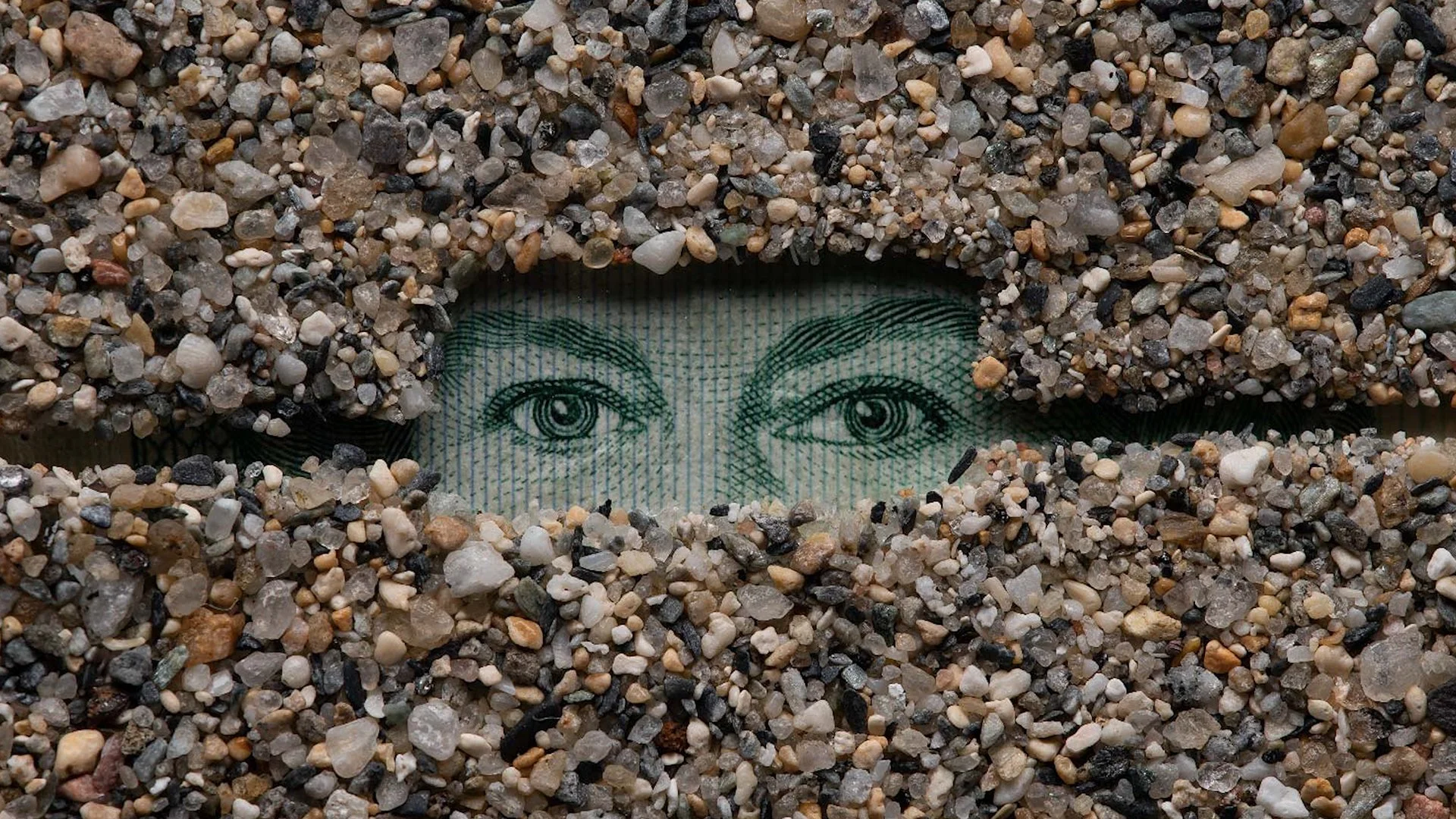
Format Error Occurred at the Offset / Prišlo je do napake formata na odmiku
Chen Zirui (Kunsthochschule Kassel)
2024, Germany, China, 11’44
5.
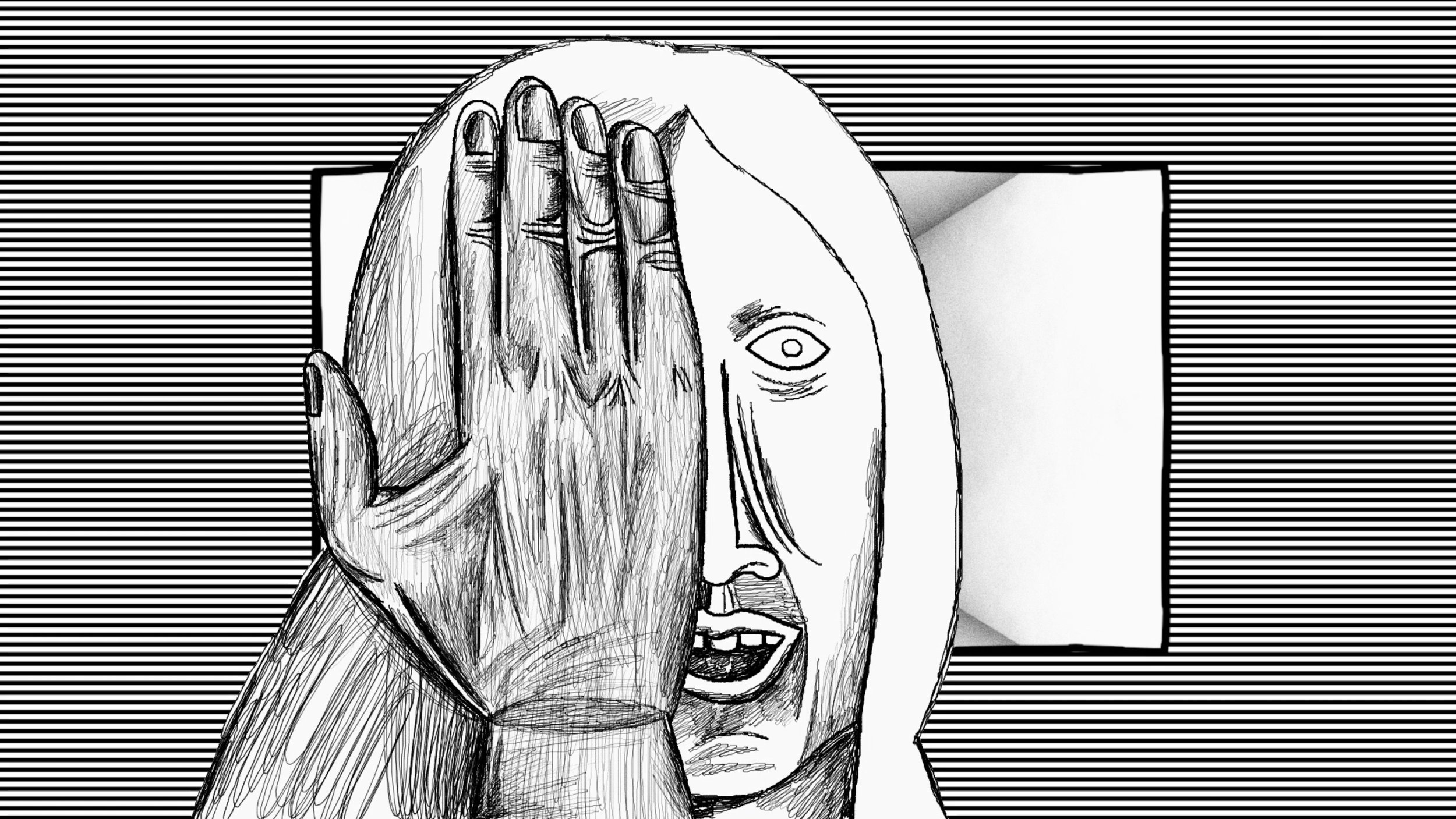
Dull Spots of Greenish Colours / Medle lise zelenkastih barv
Sasha Svirsky (Wait a Second!)
2024, Germany, 10’32”
7.
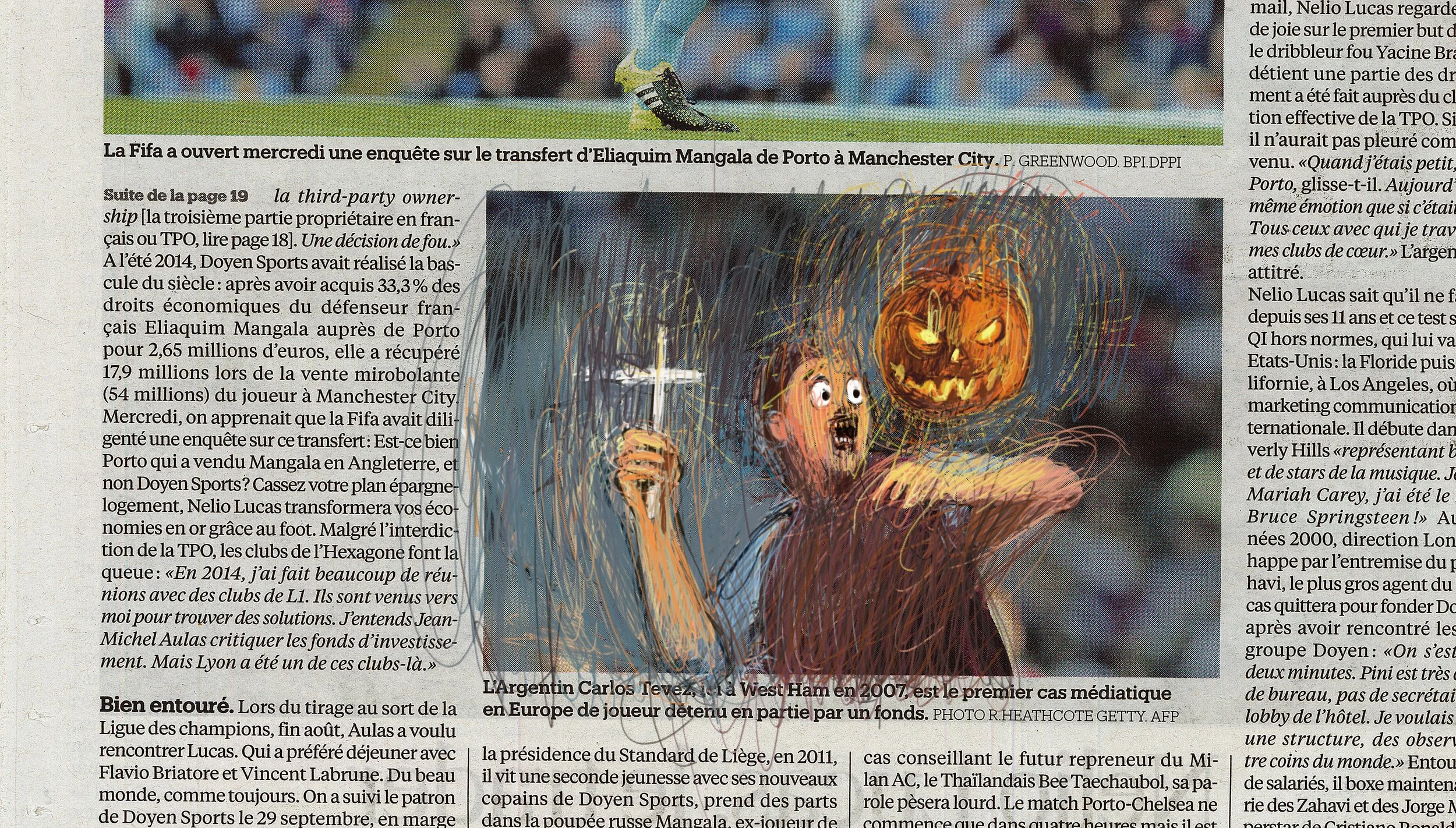
First and Foremost / In erster Linie / V prvi vrsti
Veronika Schubert
2016, Austria, 5’30”
8.
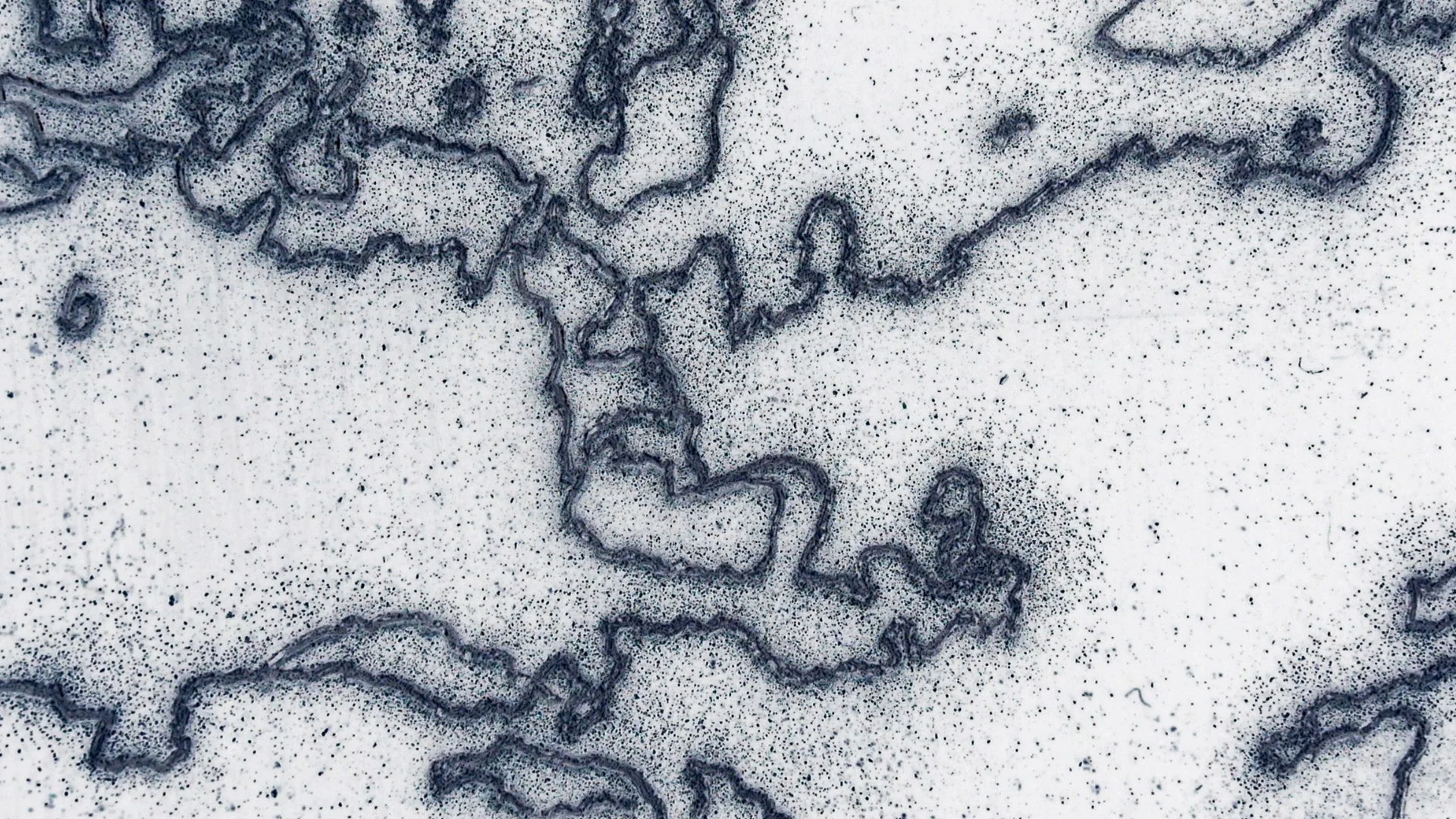
Summer / Estate / Poletje
Ronny Trocker (Autour de minuit, Stempel Films)
2016, France, Belgium, 7’25”
10.
We will definitely talk about this after the last air raid alert stops / O tem se bomo zagotovo pogovorili, ko utihne zadnji alarm za zračni napad
Yuri Yefanov (Pinchuk Art Center)
2024, Ukraine, 16’