
Format Error Occurred at the Offset / Prišlo je do napake formata na odmiku
Chen Zirui (Kunsthochschule Kassel)
2024, Germany, China, 11’44
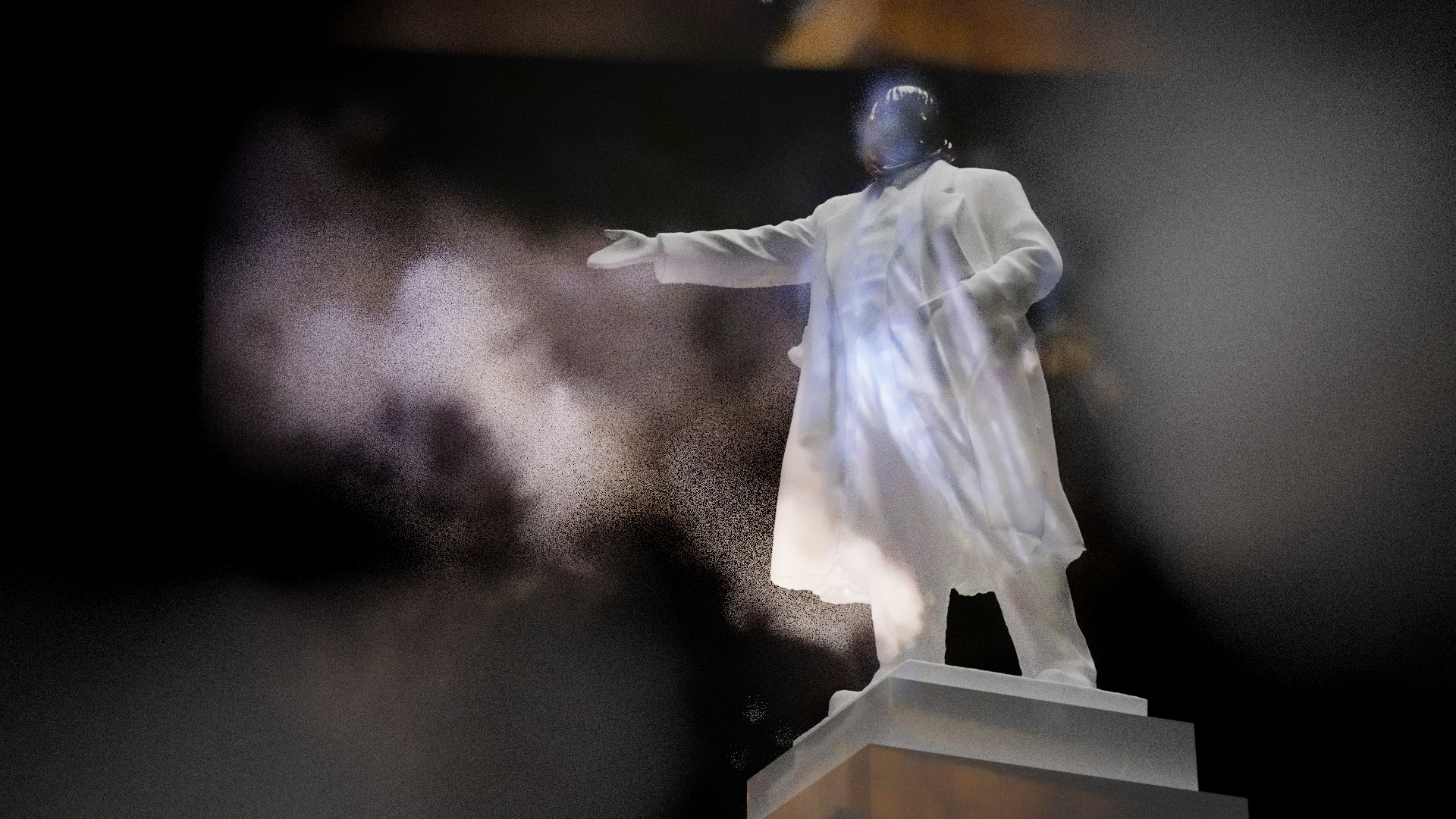
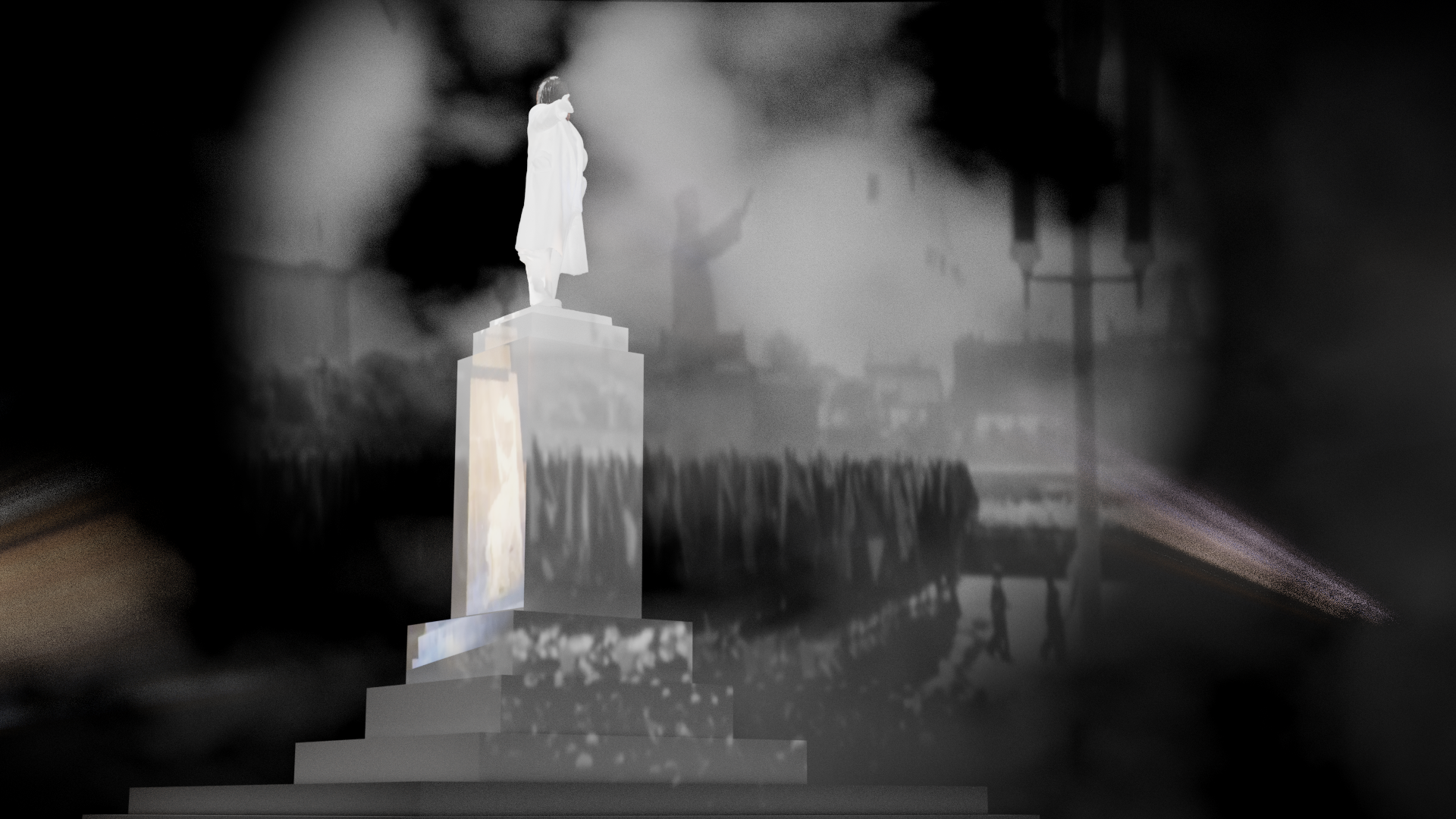
The film cuts through the administrative paperwork required for the director to live in different countries and explores the ambiguity and fragility of identity in the bureaucratic system, in the cultural context and in today's social industry. In the artificial intelligence industry, which alleges to represent the future, the human subject is the first to disappear, and what comes sooner than the promise of the future is more efficient globalised exploitation.
Film se prebija skozi goro administrativne papirologije, ki jo režiser potrebuje za življenje v različnih državah, ter raziskuje nedoločljivost in krhkost identitete znotraj birokratskih sistemov, kulturnih kontekstov in današnje družbene industrije. V sektorju umetne inteligence, ki si lasti prihodnost, človeški subjekt izgine prvi; tisto, kar pride hitreje od obljubljene prihodnosti, pa je zgolj učinkovitejše, globalizirano izkoriščanje.

Language: Chinese
Technique: 3D CGI, AI-generated imagery
Recommended for children under 14 years old: No
Team
Sound design: Li Guowen
Music: Li Guowen
Editing: Chen Zirui
3D animation: Chen Zirui
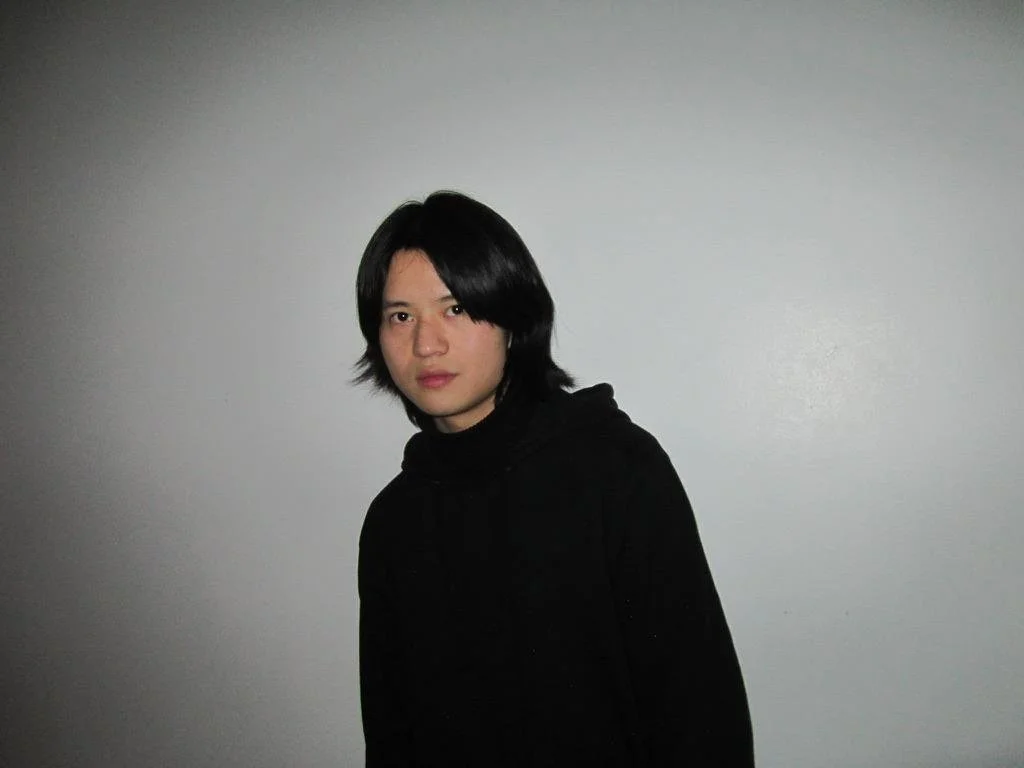
Chen Zirui
(b. 1997, Xiangtan, China) is an artist and filmmaker working across experimental moving image, essay film, 3D animation and installation. Beginning with lived identity and spatial experience, he examines political and social questions through the technologies and media that organize how they are seen. His works do not treat narrative as a transparent container; they expose how testimony, memory, archives and images are selected, reconstructed and made credible. Early works addressed identity, authority and political structures. Later projects moved through family history, urban space and self-surveillance. Recent works turn toward image production itself, engaging AI-generated imagery and testing the unstable boundary between documentation and simulation. Across these shifts, an essayistic method remains: research, re-enactment, digital reconstruction and fiction are placed side by side, so that the construction of the narrative becomes part of what the work reveals.
Find more: www.chenzirui.weebly.com