Solidarity with Sudan: Khartoum
Anas Saeed, Rawia Alhag, Ibrahim Snoopy, Timeea M. Ahmed, Phil Cox (Native Voice Films, Sudan Film Factory, BBC Storyville, Gisa Productions, Ayin Network, XTR)
2025, Sudan, UK, Germany, Qatar, 80'
Friday, 25. 9. 2026, at 15.00 / Vetrinj mansion, big hall
Includes sensitive themes such as discrimination / political repressions / violence / war, war crimes, genocide
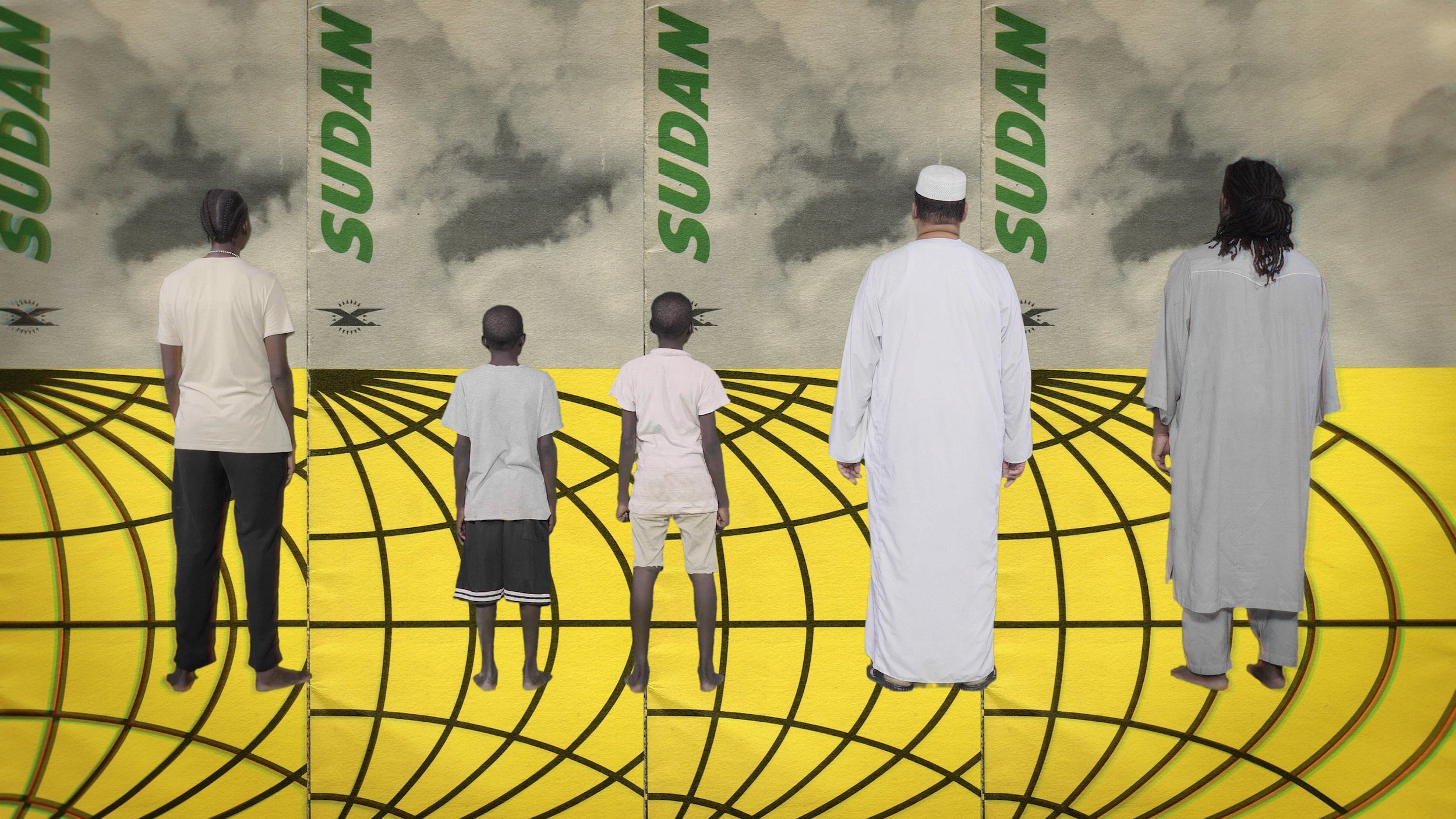
This feature-length film is a blend of documentary and animation. It has received awards at the Berlinale, the Vancouver International Film Festival, and the International Film Festival and Forum on Human Rights (FIFDH) in Geneva.
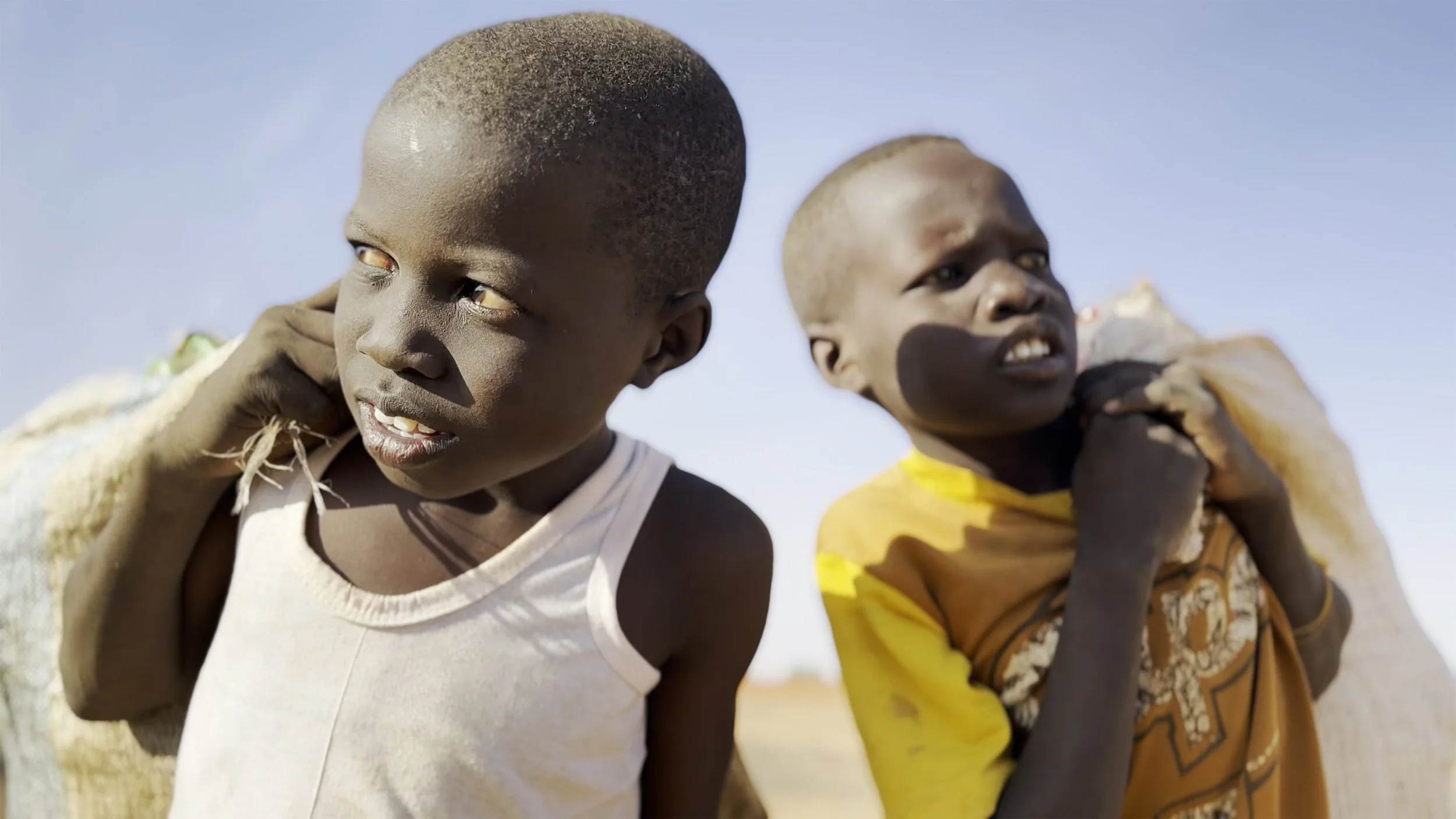
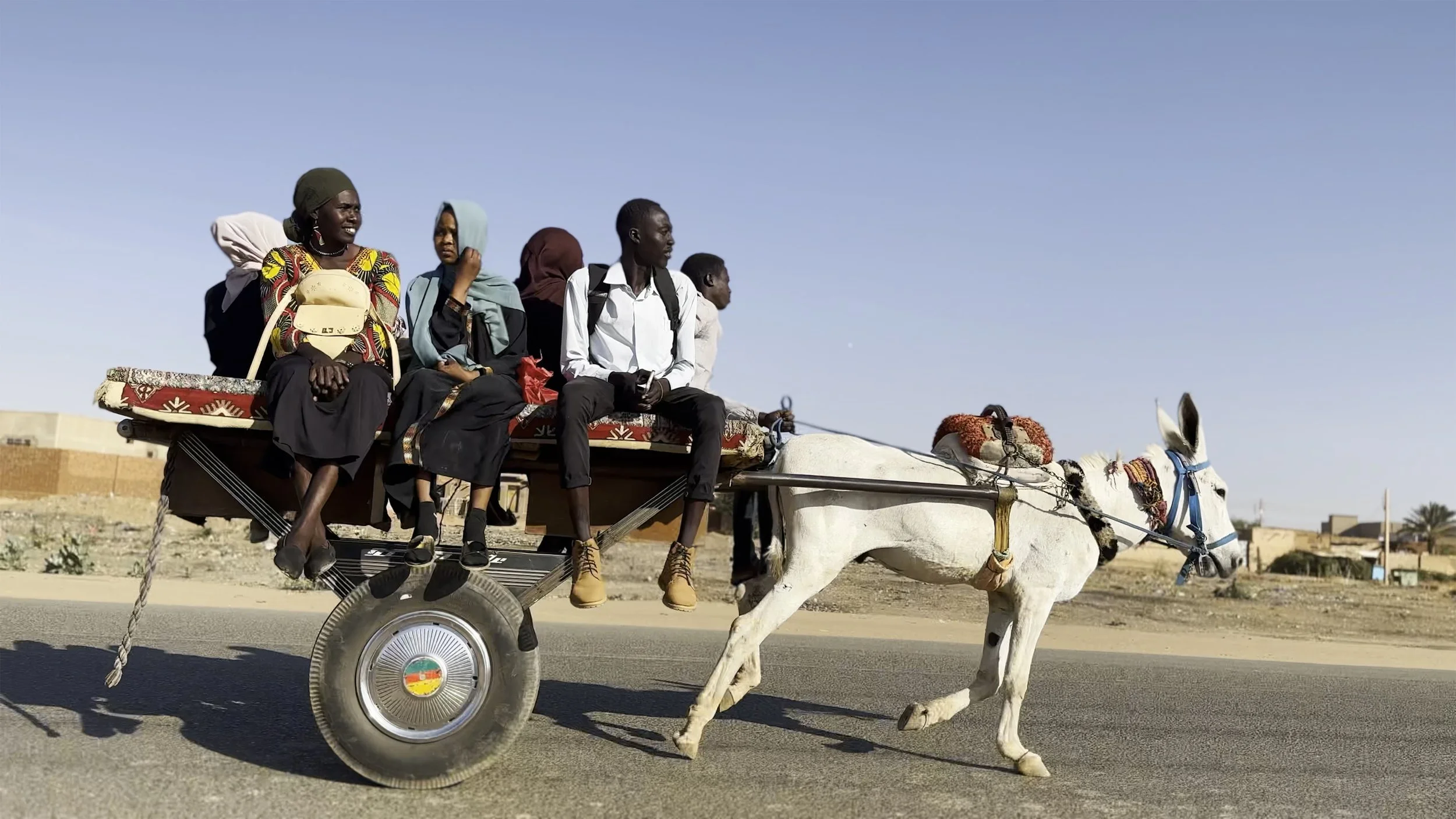
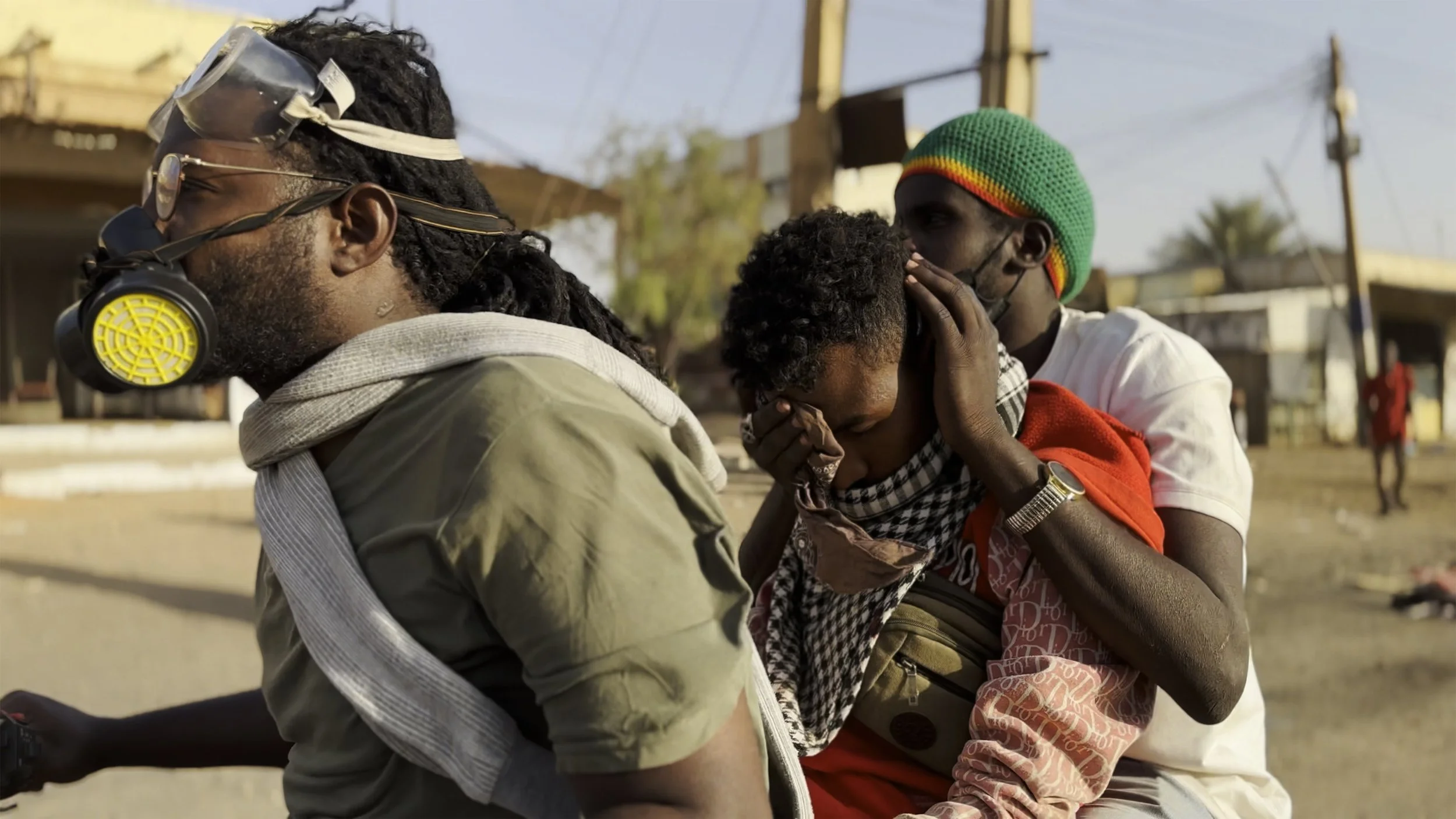
In 2022, four Sudanese filmmakers and a British writer-director began documenting the daily lives of five vastly different residents of Khartoum: two street boys, Lokain and Wilson, a tea seller and a single mother Khamdallah, a resistance committee volunteer Jawad, and a civil servant Majdi with his son. When filming commenced, they were all living under a military regime that had recently overthrown Sudan’s civilian government. Shortly thereafter, the regime fractured, and war broke out between the national army and the Rapid Support Forces militia, displacing more than ten million people.
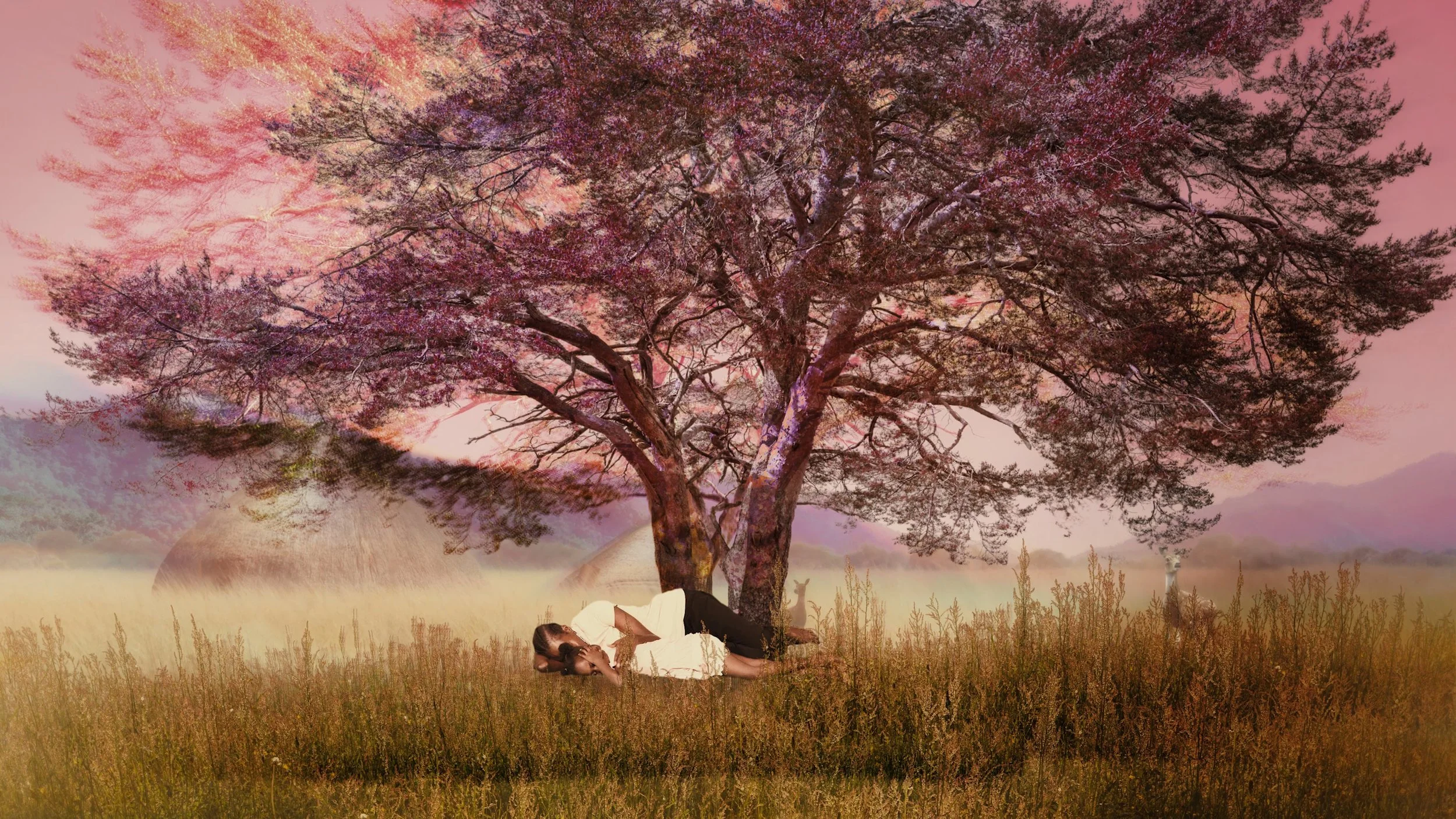
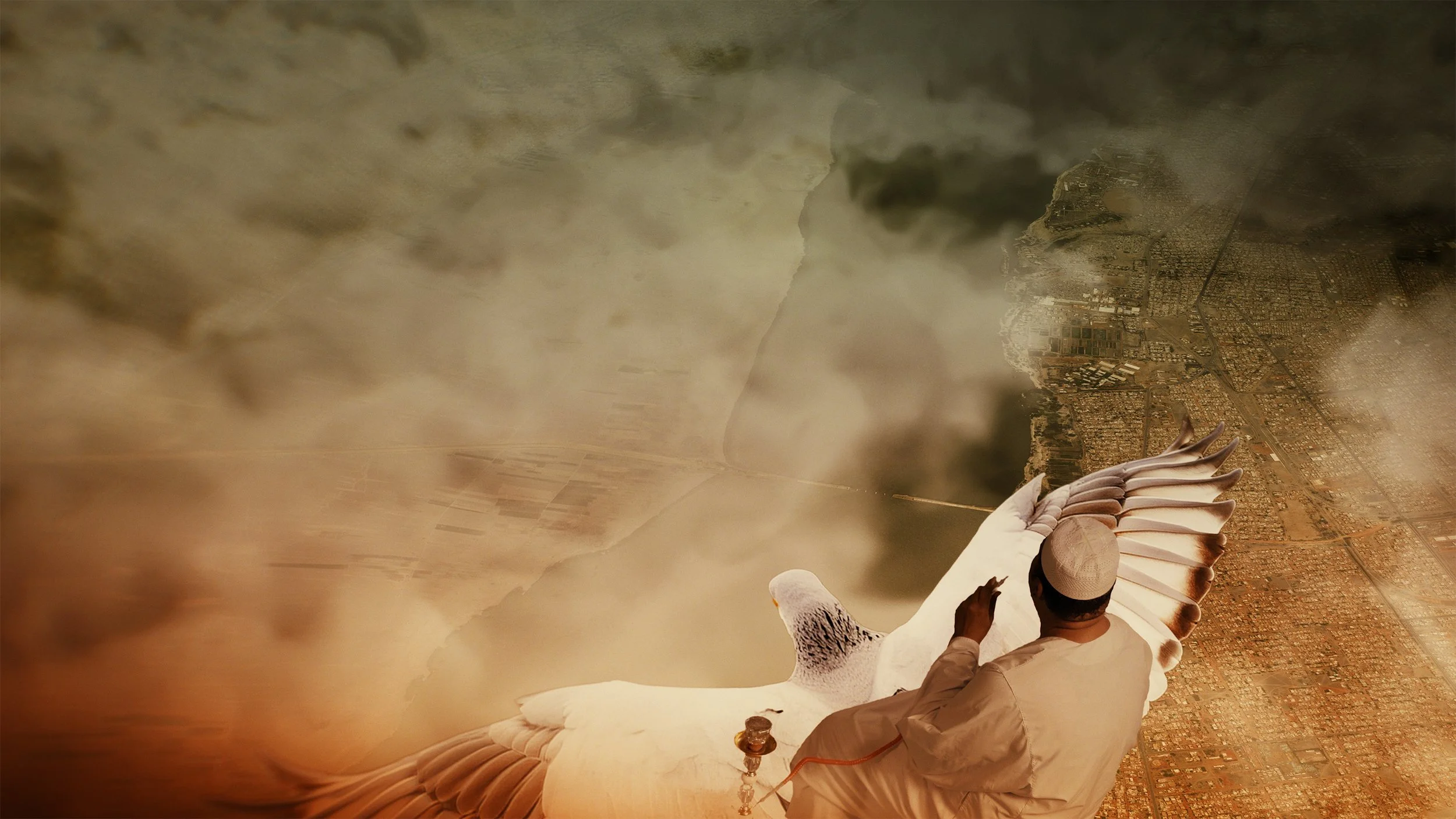
Filmed on location with donated iPhones, the four emerging Sudanese filmmakers (Anas Saeed, Rawia Alhag, Ibrahim Snoopy and Timeea M. Ahmed) capture the stark realism of one of Africa's great cities as it is consumed by turmoil and war. Utilizing animation, green-screen reconstructions, and dream sequences, they find alternative ways to tell their stories.
By following the QR code you can donate to the fundraiser dedicated to Lokain and Wilson’s safety and education.
Find more: www.khartoummovie.com
The screening will be introduced and followed by a discussion between Asst. Prof. Dr. Ana Sarah Lunaček Brumen (Faculty of Arts, University of Ljubljana) and one of the directors, Rawia Alhag.
About the curator
Ana Sarah Lunaček Brumen studied Ethnology and Cultural Anthropology, and Sociology of Culture at the Faculty of Arts, University of Ljubljana, where she graduated with a thesis on African cinema. Working as a Junior Researcher at the Department of Asian (and African) Studies, she earned her PhD at the Department of Sociology (Faculty of Arts, UL) with a dissertation titled The Perception of Europeans and Americans and Ideas about the West in Agadez (Niger). She completed her postdoctoral research at the University of Belgrade and at the MMSH institute in Aix-en-Provence. She continues to conduct ethnographic fieldwork among the Tuareg people in northern Niger, focusing on pastoral nomadism, sedentarization, development, extractivism, decentralization, gender, and migration. For a brief period, she also focused on migration studies within Slovenia. Alongside classic ethnographic methods, she employs collaborative approaches in visual anthropology. She teaches courses in African Ethnology, Visual Anthropology, and the Anthropology of the Body and Movement.
Rawia Alhag is a Sudanese filmmaker and screenwriter based in Nairobi, Kenya. Her work focuses on women’s and children’s issues, shedding light on the experiences and struggles of Sudanese people both within their communities and in the diaspora. She directed the award-winning short film "Out of Coverage", which won Best Foreign Film at the Juba Film Festival.
About the Participants
MAJDI (45) is a civil servant working for the Sudanese government. He is obliged to continue working despite a state apparatus that has fallen apart with little functioning amidst revolutionary protests, violence, repression, and an impending war. Majdi seeks refuge in his office, daydreaming and discussing his love of racing pigeons with his son. War soon arrives on his doorstep, and he becomes a marked man by the militias hunting government employees, street by street. As government jets bomb his neighbourhood, he must hide his gun and get his son out of Khartoum to family in Egypt before planning his own escape.
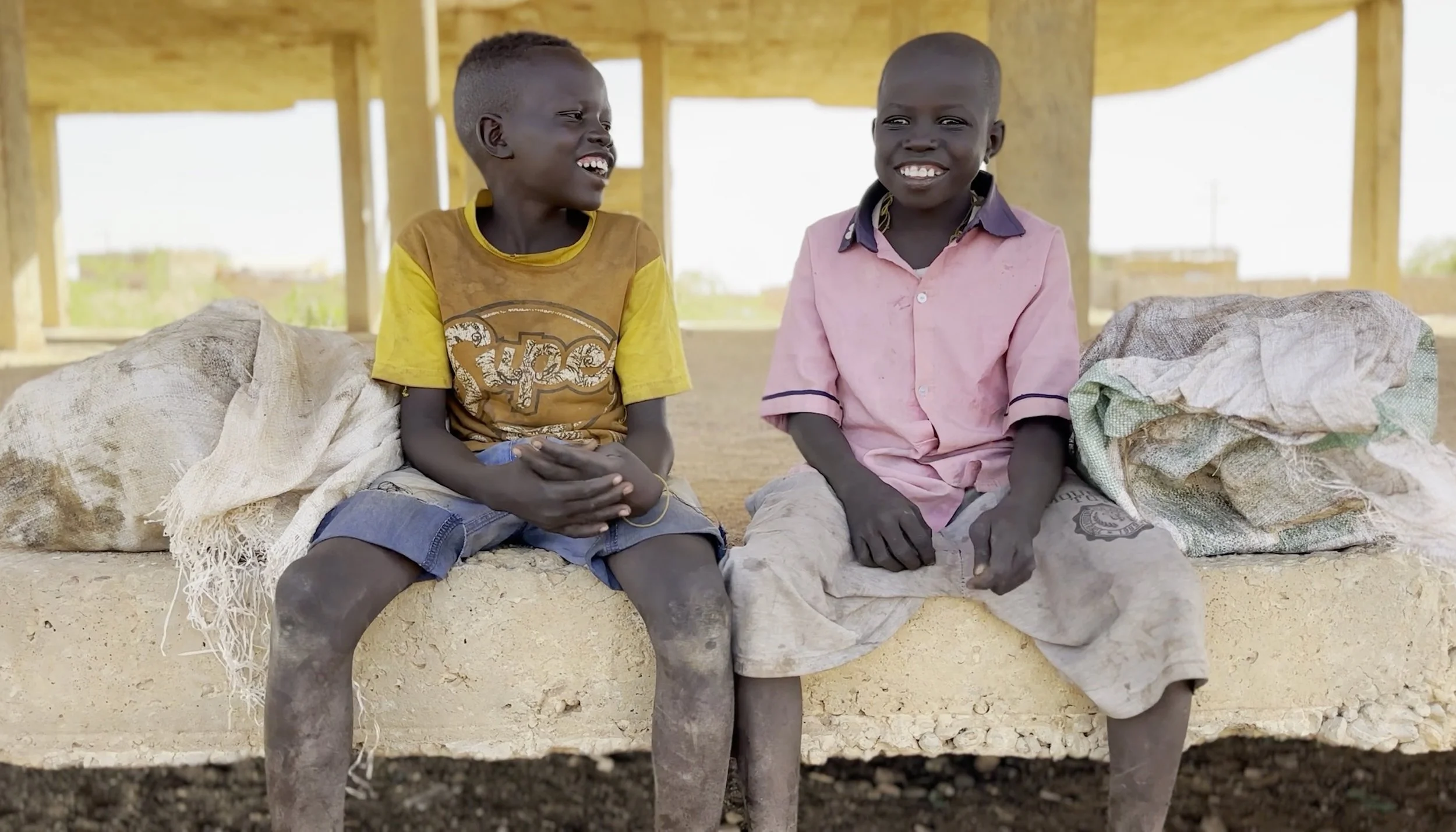
LOKAIN (11) & WILSON (12) are two feisty young plastic bottle collectors who live and work in an infamous slum on the outskirts of Khartoum called Jabarouna. The fearless boys, best friends since they decided to share a bicycle together, run their own plastic bottle collecting gang in their neighbourhood. They are often treated with racist prejudice due to their social status and ethnicity. When war arrives, the boys must quickly learn to survive bombing raids by government jets and shootouts by marauding militias taking place in their neighbourhood. They both use their imagination to escape the harsh reality, taking a ride on an invisible lion through Khartoum, which cannot be seen by 'stupid adults’. The two boys eventually find an exit from Khartoum to Nairobi, where new life beckons.
KHADMALLAH (27) is a single mother of Rita (7) and a tea vendor who came to Khartoum from the Nuba Mountains. Determined to be a good mother to her daughter, she works tirelessly to expand her roadside tea stall and keep her customers happy alongside teaching her daughter maths. “Tea ladies”, as they are known in Sudan, are an important part of Sudanese life, providing community spaces where people gather and share gossip, politics, and community news. They were often attacked under former regimes, accused of being spies and potential sources of instigation. Khadmallah suffered racism for being from Nuba in Khartoum. But the civilian revolution helped change tribal attitudes, and, to an extent, racism diminished. When war explodes across Khartoum, Khadmallah is witness to a brutal killing and then captured by militias and savagely beaten. She finds a way to escape Khartoum and a new life with her daughter.
JAWAD (28) is a Sufi Rastafarian working for the resistance committees—voluntary, pro-democracy civil groups that helped topple former dictator Omar al-Bashir in April 2019. A warm extrovert, frustrated at being single with dreams of being a famous actor, he works as a motorcycle volunteer, carrying those wounded and injured in protests against military rule. The revolution in 2019 changed life for his generation—at last they had freedom of thought, of work, of opportunity. When the military coup happened in 2021, they took to the streets. When war breaks out in April 2023, Jawad finds himself in Cairo and stuck in a limbo world of TV news and distressed text messages. He can only watch his city burn from afar and learn of the deaths of his friends. He begins a street food business where Sudanese escaping the war to Egypt can get work and dignity and, despite the overwhelming grief they all feel, he continues to dream of a better life. One day he will make it to Hollywood.
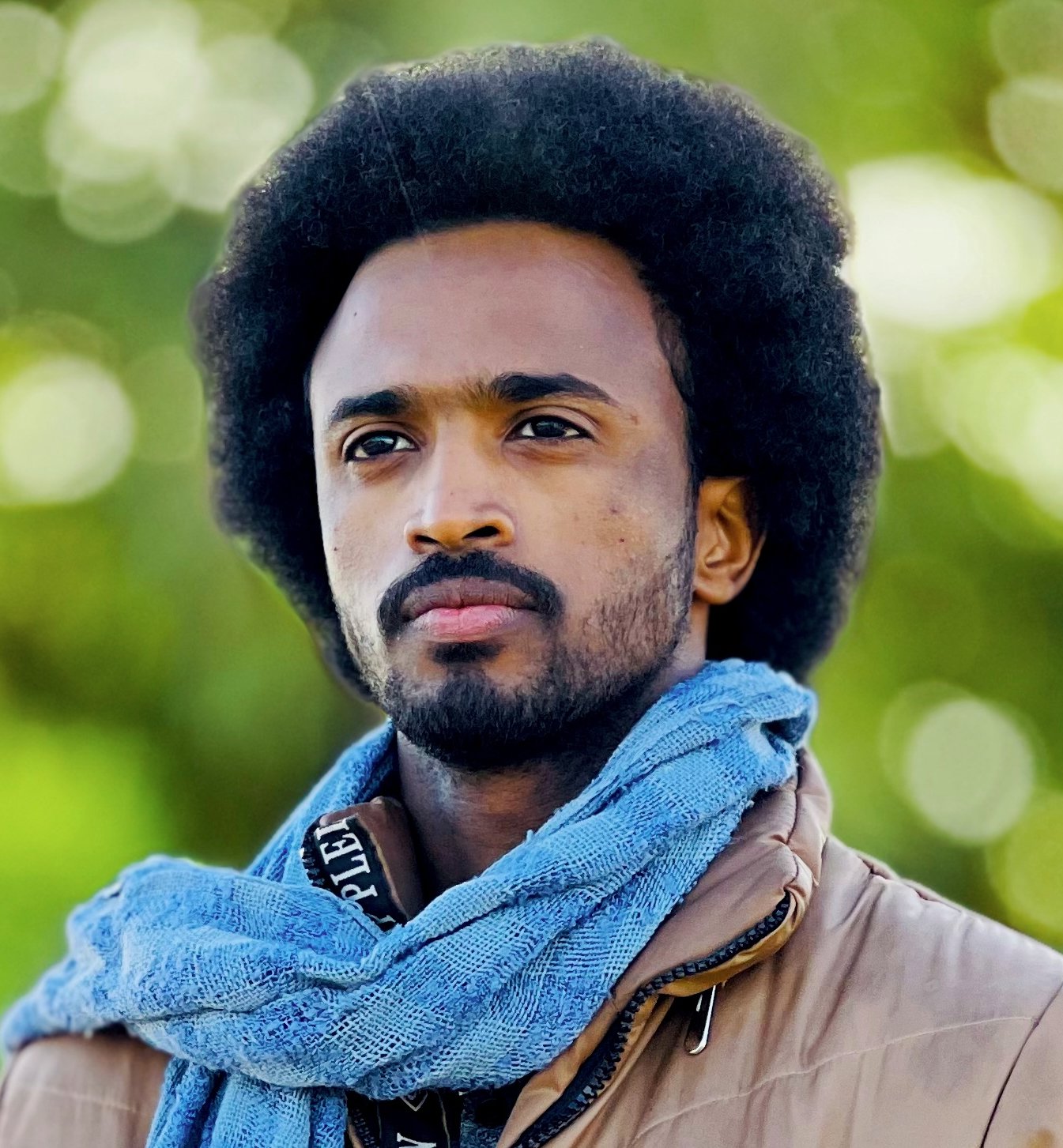
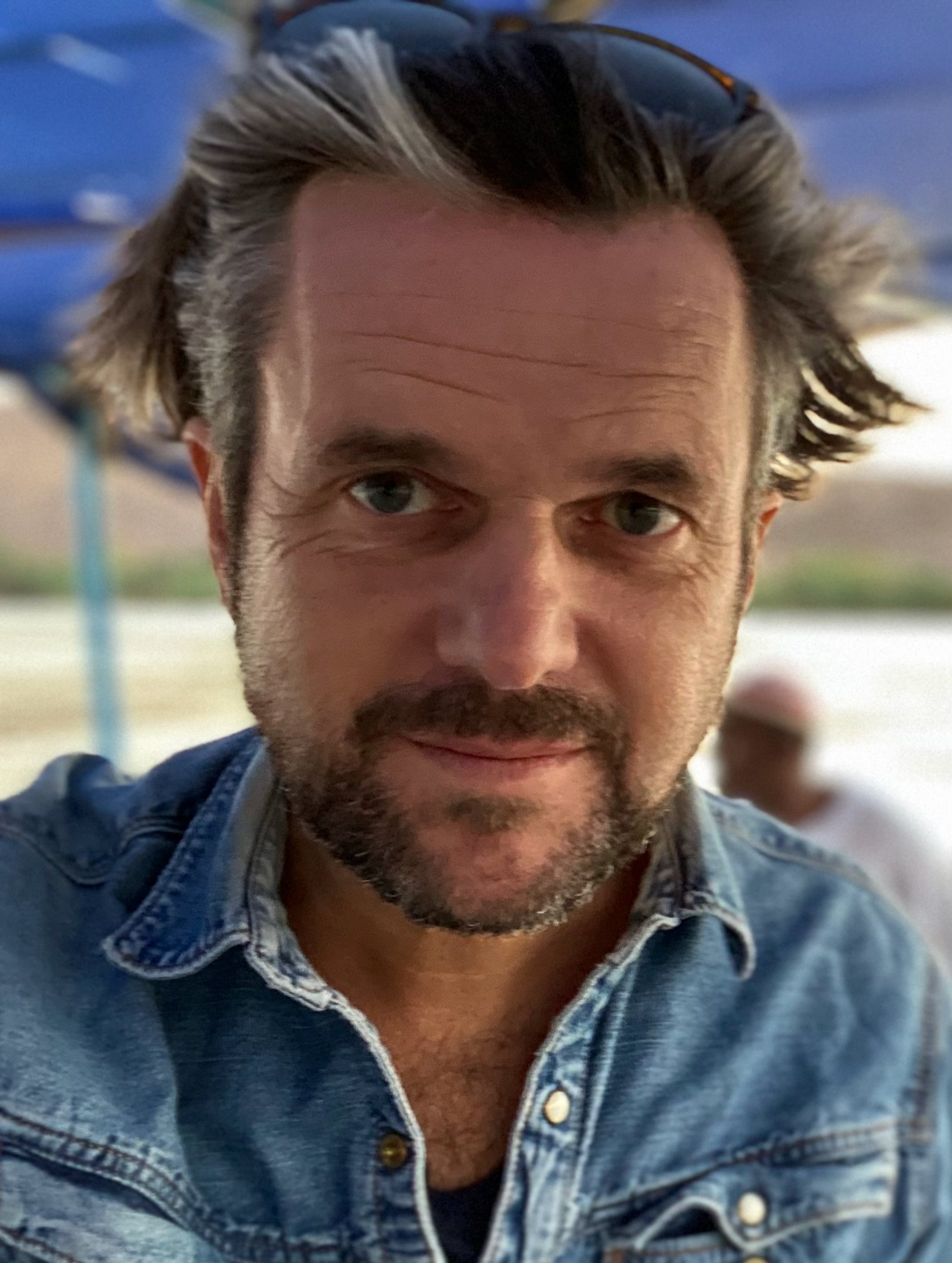
About the Directors
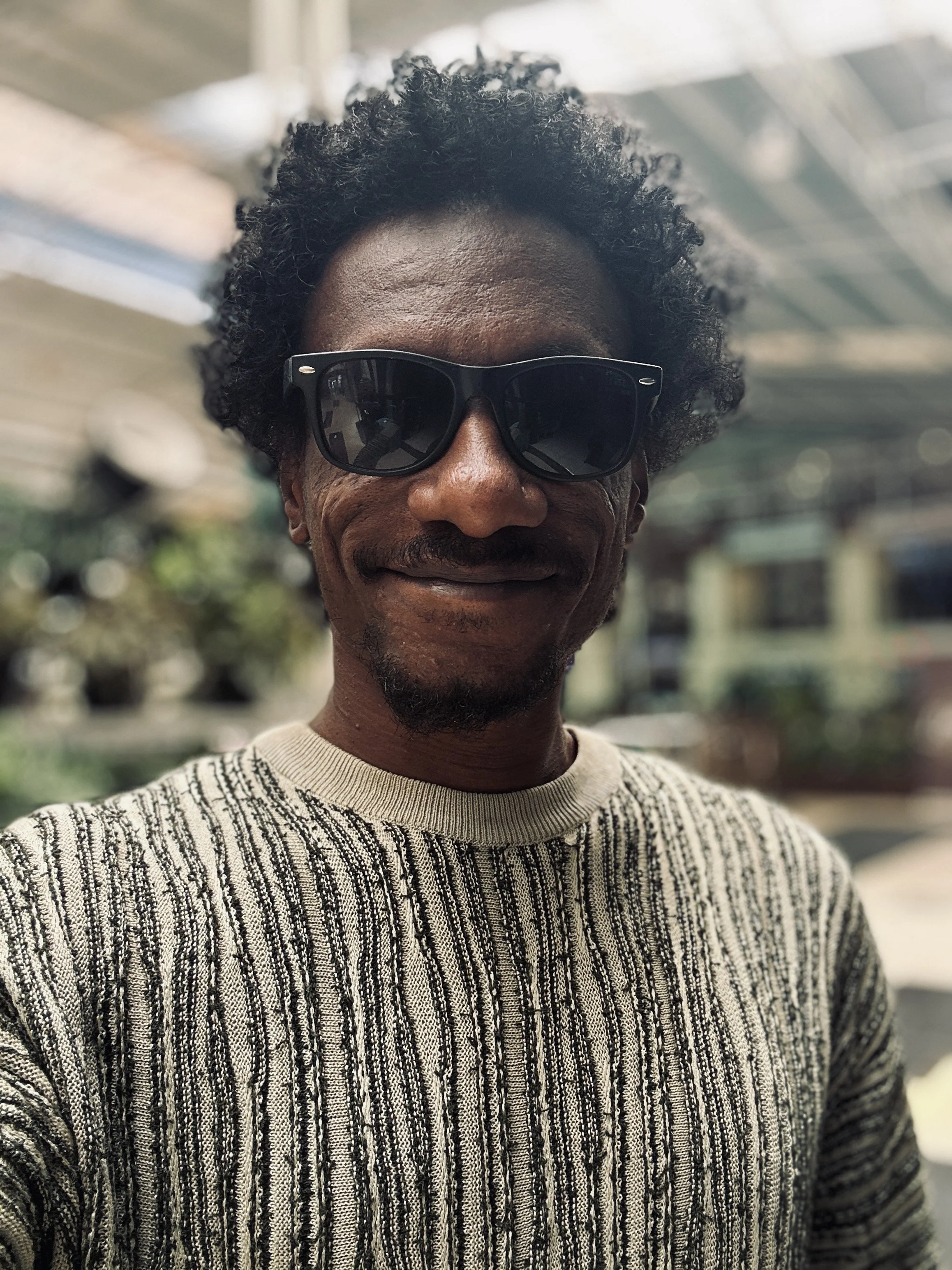
Brahim Snoopy is a Sudanese filmmaker and cinematographer working recently for ARTE, BBC and The Washington Post, as well as music videos, commercials, and shorts. Notable works include the feature documentaries "Khartoum Offside", which won Best Documentary at the Carthage Film Festival, and From Argentina to Sudan, as well as the award-winning shorts Serotonin and Journey to Kenya. This is his second feature.
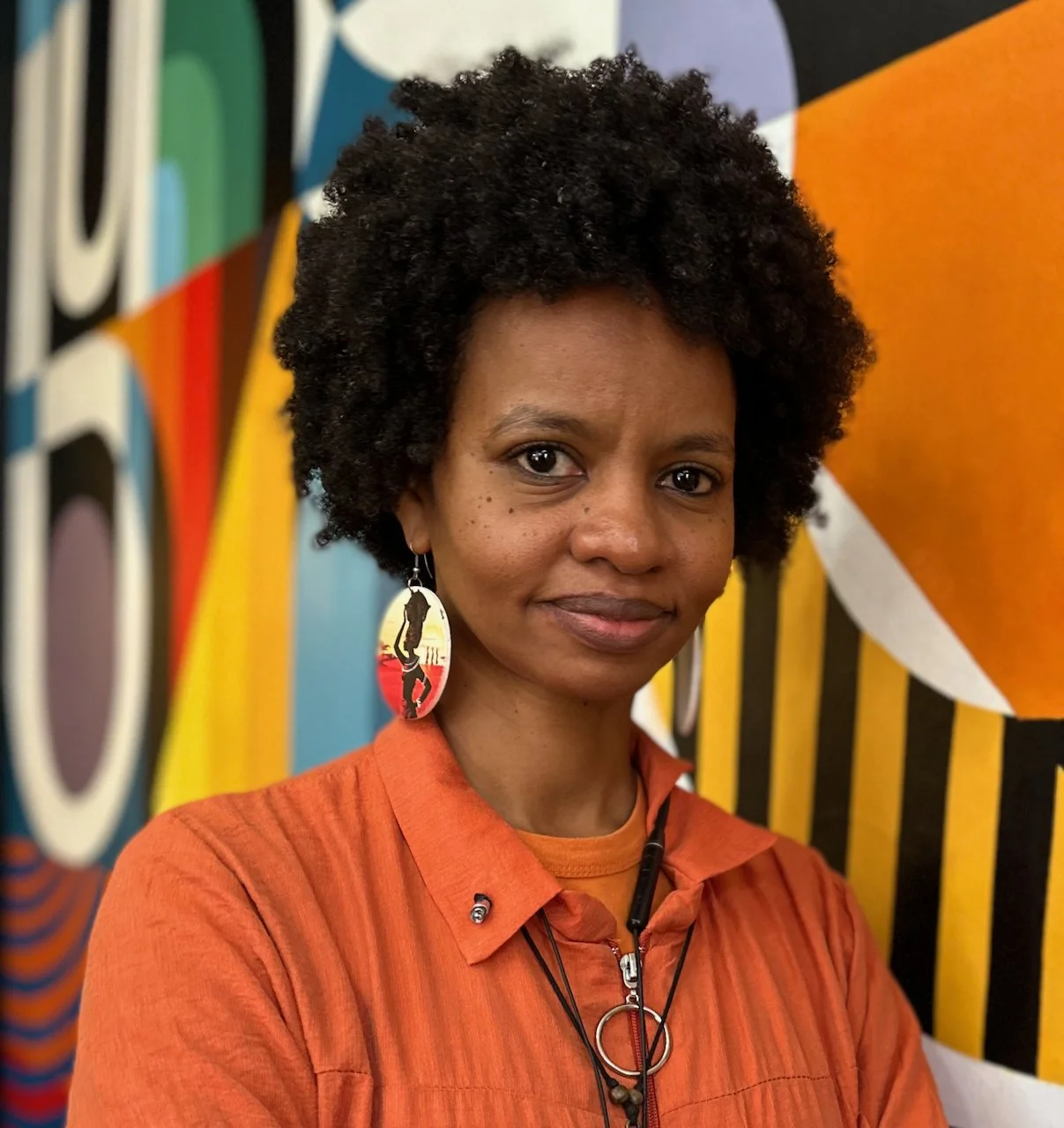
Rawia Alhag is a Sudanese filmmaker and screenwriter now based in Nairobi, Kenya. Her work focuses on women’s and children’s issues, shedding light on the experiences and struggles of Sudanese people both within their communities and in the diaspora. She directed the award-winning short film "Out of Coverage", which won Best Foreign Film at the Juba Film Festival.
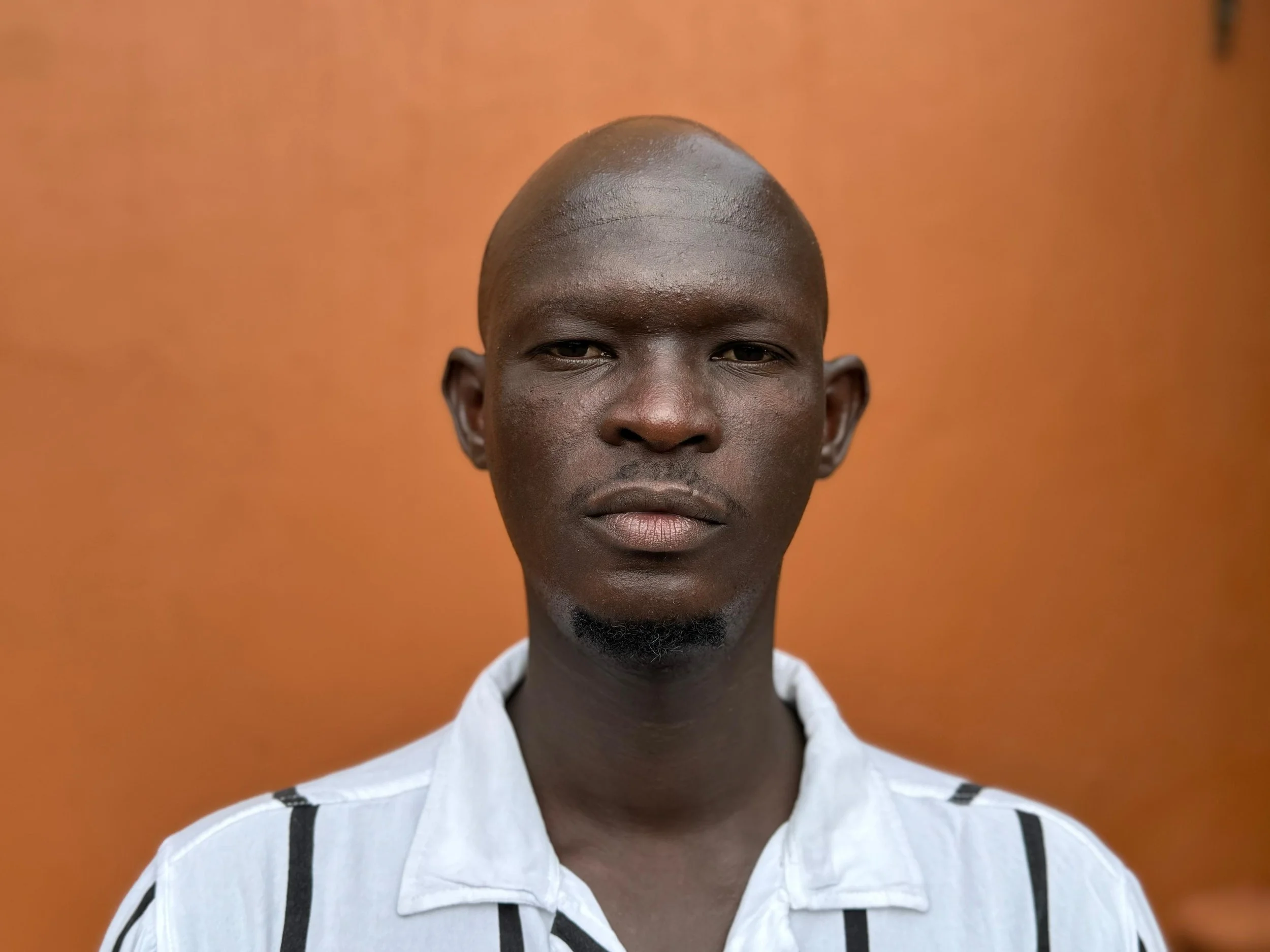
Anas Saeed, a Sudanese media maker, started working as a video journalist for the independent media house, Ayin Network. He has produced several reportage works for international media that focus on human rights issues affecting different communities across Sudan. His work for Ayin Media has focused on covering culture and the recent war. His latest work is Five Meals of Resistance, soon to be released to festivals.
Timeea Mohamed Ahmed is a Sudanese director, editor & producer based in East-Africa. His work explores non-narrative experimental & documentary. He directed short films, including “Saddari” (2023) and “Is it War?” (2024). Other credits are “Flower of Sinkat” (2018), “Hope Journey” (2021), as well as advocacy and commercial campaigns. His films center on the culture and struggles of Sudan.
Phil Cox is the co-director of award-winning indie film collective Native Voice Films since 1998 and has directed and shot over 30 films for TV and cinema. His recent cinematic features as director/writer are THE BENGALI DETECTIVE (Sundance and Berlin premiere – HBO), LOVE HOTEL (Toronto premiere. Netflix / BBC Storyville), BETTY THEY SAY I’M DIFFERENT (IDFA premiere, ARTE / BBC / Amazon), THE CLEANER (FR2), AND THE SPIDER-MAN OF SUDAN (ARTE / GUARDIAN). He is the recipient of a British Grierson Award, a Rory Peck Award, and the Hinzpeter and Bayeux Calvados awards for his work in Sudan since 2004.
Statement by the Sudanese filmmakers
“As Sudanese storytellers, we want to represent the reality of our fellow Sudanese in this moment of war and division in an authentic way. We want to portray our fellow Sudanese with a humanity and depth beyond being just refugees or victims. Due to the dangers of carrying professional cameras on our own streets, we began shooting our film on iPhones, which meant we had to be close, to be intimate, and we want the audience to feel this.
“These beautiful phones have delivered the cinematic intimacy and the identity of our film. With the outbreak of war and the ensuing destruction of our city and our homes, we are thankful to our producers for finding safety for us and supporting us. Even though we left our country with nothing, we realised we had to continue to make our film as this would be our act of positive resistance.
“We developed a new storytelling language, where we collaborated fully with our participants and together entered the world of green screens, dreams, and animations in a path led by the creative director Phil Cox. Despite this diverse visual style, we have strived to keep an emotional and deeper truth to our stories. We refuse to make news that portrays us as just ‘Africans in crisis'.
“As filmmakers and participants, we are all from different backgrounds, ethnicities, ages, genders, and social classes. Such differences are what have too often been used to fuel past Sudanese conflicts as well as the current civil war in our country. However, we have discovered each other through this film journey and learnt to work together and support each other. We have become one cinema family irrespective of our age, class backgrounds or ethnicity. We wish our film to be a valuable piece of archive for the future and a poetic tribute to Khartoum and its people and to all the people of Sudan at this pivotal moment in our nation’s history.
“This film represents our resistance to war and our belief in the Sudanese people to overcome.”
Directors Anas, Rawia, Snoopy & Timeea
CREDITS
Directed by Anas Saeed, Rawia Alhag, Brahim Snoopy, Timeea Mohamed Ahmed, Phil Cox
Created & Written by Phil Cox
Editing: Yousef Jubeh
VFX & Animations: Philip K Good
Original Music: James Preston
Camera, Sound: Anas Saeed, Snoopy Ibrahim, Waleed Alaa, Yousef Jubeh, Phil Cox
Additional Camera: Mustafa Saeed, Rawia Alhag
Consulting Editor: Ben Stark BFE
Sound Design and Mix: James Preston
Drone Footage Sudan: Phil Cox
Production Manager Khartoum: Waleed Alaa
Development Directors Khartoum: Mustafa Saeed, Areej Zarrouq
Production Manager Kenya & Sudan: Rafa Renas
Green Screen & FX Studios: MGM Studios Kenya
Studio Cinematography Kenya: Ibrahim Ahmad ‘Snoopy’
Studio Sound Recording Kenya: Joe Wamae
Post Production Coordinators: Zeinab Charara, Yousef Jubeh
Colorist: Vic Parker
Archive Producer: Jasmine Dick
Music Supervisor: Giovanna Stopponi
Khartoum Mural Advisors: Mustafa Abdelmoneim, Dafaallah Salih, Esam Eldin Ismail,
with sincere gratitude to: Martyrs Murals Initiative,
Translations: Rooa Elhag, Zeinab Chrara, Mohamed Abdalhaleem
Vocalist: Tahleel Dafalla
Khartoum Radio DJ: Ahmed Hikmat
Producers: Giovanna Stopponi (UK), Talal Afifi (Sudan)
Co-Producers: Trevor Snapp, Frank Albers
Executive Producers: Tom Rhodes, Anne Sundberg, Bryn Mooser, Justin Lacob, Laura
Choi Raycroft, Judy Kibinge, Susan Mbogo
Executive Producer for BBC Storyville: Emma Hindley
Associate Producer: Yousef Jubeh
Associate Producer: Abdeen Abdelrazig (Sudan)
Production: Native Voice Films
Co-production: World Cinema Fund, Light Eco Pictures, IDFA, Bertha Fund, Docubox,
BBC Storyville
Support: Doha Film Institute, UK Global Screen Fund, Ayin Network Gisa Productions,
XTR Sudan Factory
Sales: Native Voice Films
Press Contact: Mia Farrell (See-Through Films / Sundance)